

Successful email marketing campaigns are built on several key concepts that play a crucial role in driving engagement and conversions. In this section, we will explore these concepts and discuss their importance in your overall email marketing strategy.
Building a Strong Subscriber List
One of the fundamental pillars of email marketing is having a strong subscriber list. This involves not only acquiring new subscribers but also nurturing and retaining existing ones. A well-built subscriber list consists of individuals who have willingly opted in to receive your emails, ensuring that your message reaches a receptive audience.
It is crucial to focus on quality rather than quantity when growing your list. By targeting individuals who are genuinely interested in your brand or content, you increase the likelihood of engagement and conversions. Implementing opt-in forms, creating compelling lead magnets, and leveraging social media are effective strategies for attracting and adding valuable subscribers to your list.
The Value of Lead Nurturing
Lead nurturing is the process of building relationships with potential customers and guiding them through the buyer’s journey. It involves sending targeted and personalized content to your subscribers based on their interests, preferences, and behaviors. Lead nurturing helps to build trust, establish your brand as an authority, and ultimately drive conversions.
To effectively nurture your leads, it is essential to segment your email list based on relevant criteria such as demographics, purchase history, and engagement level. This allows you to tailor your messaging and deliver content that resonates with each segment.
The Role of Marketing Automation
Marketing automation is a powerful tool that streamlines and automates various aspects of your email campaigns. It allows you to deliver timely, relevant, and personalized messages to your subscribers, based on their interactions with your brand.
With marketing automation, you can set up email workflows that trigger specific actions based on predetermined conditions, such as welcoming new subscribers, sending abandoned cart reminders, or promoting relevant upsells and cross-sells. By automating repetitive tasks and workflows, you save time, increase efficiency, and ensure consistent engagement with your audience.
| Email Marketing Key Concepts | Explanation |
| Building a Strong Subscriber List | Focuses on acquiring, nurturing, and retaining high-quality subscribers who willingly opt in to receive your emails. |
| The Value of Lead Nurturing | Emphasizes the importance of building relationships with potential customers by sending targeted and personalized content based on their interests and behaviors. |
| The Role of Marketing Automation | Highlights the benefits of automating various aspects of email campaigns to deliver timely and personalized messages to subscribers, saving time and increasing efficiency. |
By understanding and implementing these key concepts, you can significantly enhance the effectiveness of your email marketing campaigns. In the next section, we will delve into the process of crafting an effective email strategy that aligns with your overall marketing goals.
Crafting an Effective Email Strategy
Creating an effective email strategy is crucial for optimizing your digital marketing efforts. By planning and executing well-crafted email campaigns, you can maximize engagement and conversions, ultimately driving the success of your business.
Here are the key steps involved in crafting an effective email strategy:
- Identify your goals: Before diving into your email campaign, define your objectives. Are you looking to increase brand awareness, generate leads, or drive sales? Identifying your goals will help shape the content and messaging of your emails.
- Segment your audience: Personalization is essential for effective email marketing. Divide your subscriber list into segments based on demographics, preferences, or past interactions. This allows you to tailor your emails to specific audience segments, increasing relevance and engagement.
- Create compelling content: The success of your email campaign hinges on delivering valuable and engaging content to your subscribers. Craft well-written emails with attention-grabbing subject lines and compelling calls-to-action. Incorporate relevant visuals and include personalized elements to connect with your audience on a deeper level.
- Optimize your email design: A visually appealing email design enhances the overall user experience and encourages interaction. Choose a mobile-responsive template, use a clear and scannable layout, and ensure that your branding is consistent across all emails.
- Test and refine: Regularly test different elements of your email campaigns, such as subject lines, content, and call-to-action placement. Analyze the results and refine your strategy based on the insights gained. A/B testing is a valuable technique for continuously improving your email performance.
Remember, an effective email strategy is not a static plan. Continuously analyze performance metrics and adapt your approach as needed. Now let’s take a look at an example of an email strategy:
Subject: Exclusive 20% Off for Our Valued Subscribers!
Hi [subscriber’s name],
We appreciate your loyalty as a valued subscriber of [Company Name]. As a token of our appreciation, we’re delighted to offer you an exclusive discount of 20% off our entire product range.
Simply use the promo code [promo code] at checkout to avail this exciting offer. Hurry, as it expires in two weeks!
At [Company Name], we’re committed to providing you with high-quality products that enhance your everyday life. With our extensive range of [product category], you’re sure to find something that fits your needs perfectly.
Follow us on social media to stay updated on our latest offerings and exclusive promotions:
- Facebook: [Facebook link]
- Twitter: [Twitter link]
- Instagram: [Instagram link]
Thank you for your continued support. We can’t wait to serve you again!
Warm regards,
The [Company Name] Team
| Email Strategy Example | Description |
| Objective | Generate sales by offering an exclusive discount to subscribers |
| Segmentation | Audience segmented based on loyalty |
| Content | Compelling offer, personalized message, social media promotion |
| Email Design | Clean layout, consistent branding, mobile-responsive template |
| Testing | A/B testing subject lines, analyzing click-through rates |
By following these steps and adapting them to your specific business goals, you can craft an effective email strategy that drives results. Next, we will explore how to measure the success of your email campaigns using email analytics.
Measuring Success with Email Analytics
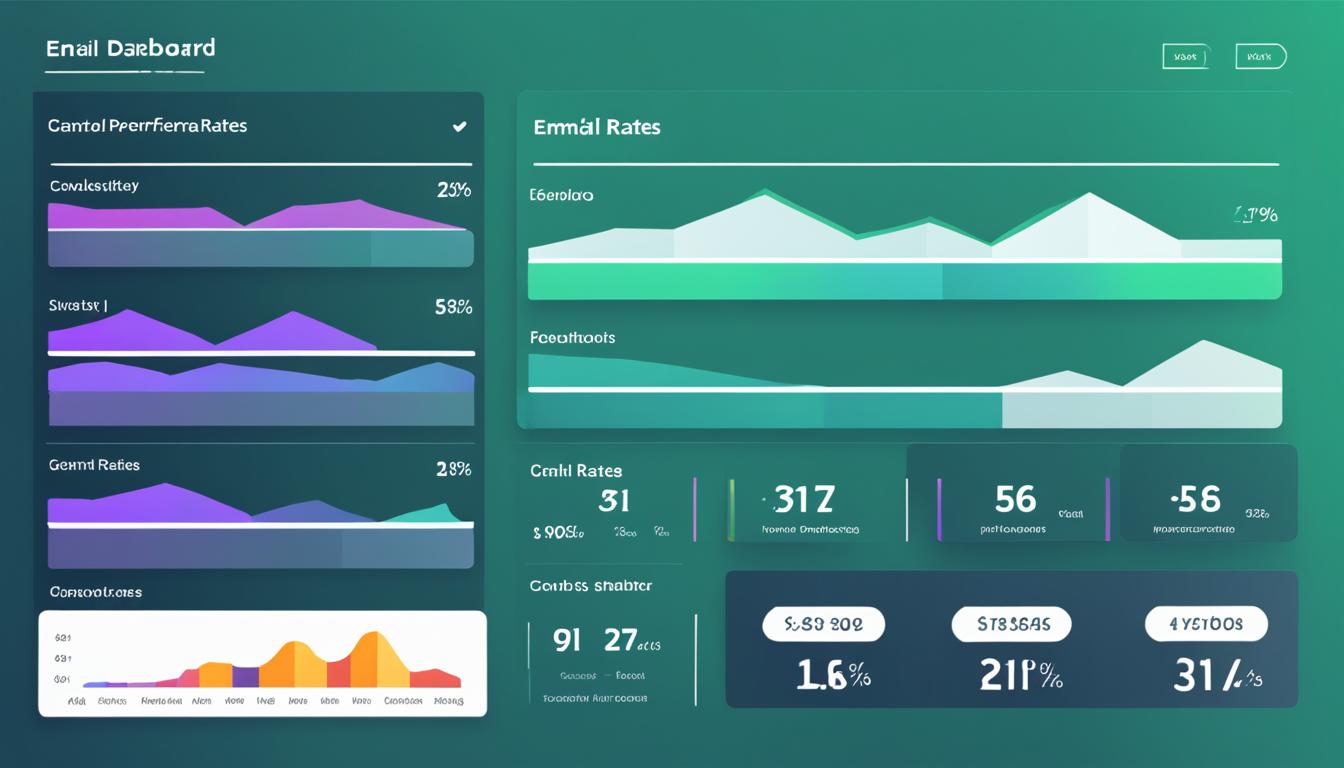
In today’s digital landscape, data plays an integral role in decision-making and optimizing marketing strategies. Email marketing is no exception. By leveraging email analytics, you can gain valuable insights into the performance of your email campaigns and make data-driven decisions to drive better results.
When it comes to measuring the success of your email marketing efforts, tracking key metrics is essential. These metrics provide you with quantitative data that can help you understand the effectiveness of your email campaigns and identify areas for improvement. Let’s explore some of the email marketing metrics that you should be monitoring:
Open Rate:
The open rate measures the percentage of recipients who open your email. It indicates the initial engagement and effectiveness of your subject lines and pre-header text. A high open rate suggests that your content is enticing and relevant to your audience.
Click-Through Rate (CTR):
The click-through rate measures the percentage of recipients who click on a link within your email. It indicates the level of engagement and interest in your content. A high CTR suggests that your email content and call-to-action buttons are compelling and effective.
Conversion Rate:
The conversion rate measures the percentage of recipients who complete a desired action, such as making a purchase or filling out a form, after clicking on a link within your email. It is a crucial metric that directly measures the effectiveness of your email campaigns in driving conversions.
Bounce Rate:
The bounce rate measures the percentage of emails that were not delivered to recipients’ inboxes. There are two types of bounces: hard bounces and soft bounces. Hard bounces occur when an email is permanently rejected, often due to an invalid or nonexistent email address. Soft bounces occur when an email is temporarily rejected, typically due to a full inbox or server issues.
Unsubscribe Rate:
The unsubscribe rate measures the percentage of recipients who choose to opt out of receiving future emails from your brand. While a small number of unsubscribes is expected, a high unsubscribe rate may indicate that your email content or frequency is not meeting the expectations of your audience.
By regularly monitoring these email marketing metrics, you can gain a comprehensive view of your campaign performance and identify areas where improvements can be made. But remember, it’s not just about tracking the numbers; it’s about deriving actionable insights from the data and making data-driven decisions to optimize your email campaigns.
Here are some best practices for analyzing email analytics:
- Segment your data: Break down your metrics by different segments, such as demographics, engagement levels, or purchase history. This will help you identify patterns and tailor your email campaigns to specific audience segments.
- Compare and benchmark: Compare your metrics against industry benchmarks to gain a better understanding of how your campaigns are performing relative to others in your industry.
- Experiment and test: Use A/B testing to compare different elements of your email campaigns, such as subject lines, content, or call-to-action buttons. This will help you identify what resonates best with your audience and optimize your campaigns accordingly.
- Track over time: Don’t just look at individual campaign metrics. Monitor trends and changes over time to identify long-term patterns and make informed decisions based on historical data.
By incorporating these best practices into your email marketing strategy, you can unlock the full potential of email analytics and optimize your campaigns for maximum engagement and impact.
Let the power of email analytics guide your decision-making and take your email marketing to new heights.
Remember, data is your ally in the world of email marketing. Embrace email analytics to uncover valuable insights and continuously improve the performance of your email campaigns. The more you know about your audience and their preferences, the better equipped you will be to deliver relevant and engaging content that drives results.
| Email Metrics | Definition |
| Open Rate | The percentage of recipients who open your email. |
| Click-Through Rate (CTR) | The percentage of recipients who click on a link within your email. |
| Conversion Rate | The percentage of recipients who complete a desired action after clicking on a link within your email. |
| Bounce Rate | The percentage of emails that were not delivered to recipients’ inboxes. |
| Unsubscribe Rate | The percentage of recipients who choose to opt out of receiving future emails from your brand. |
Leveraging Marketing Automation for Email Campaigns
Marketing automation plays a crucial role in optimizing the effectiveness of your email campaigns. By utilizing powerful email marketing tools and automation software, you can streamline your workflow, save time, and enhance the overall performance of your email marketing efforts.
There are several key benefits of incorporating marketing automation into your email campaigns:
- Increased Efficiency: Automation allows you to automate repetitive tasks such as sending follow-up emails, segmenting your audience, and personalizing content. This frees up your time to focus on other important aspects of your marketing strategy.
- Enhanced Personalization: With automation, you can create personalized email journeys based on user behavior and preferences. By delivering targeted, relevant content to your subscribers, you can increase engagement and drive conversions.
- Improved Lead Nurturing: Automation enables you to nurture leads through automated email sequences tailored to their stage in the customer journey. By providing valuable information and staying top-of-mind, you can move prospects closer to making a purchase.
- Timely and Consistent Communication: Marketing automation ensures that your emails are delivered at the right time to the right audience. You can schedule email campaigns in advance, ensuring consistent communication without manual intervention.
When leveraging marketing automation for your email campaigns, keep the following tips in mind:
- Segment Your Audience: Divide your subscriber list into segments based on demographics, preferences, and behaviors. This allows you to send targeted emails that resonate with each group, increasing engagement and conversions.
- Set Clear Goals: Define your goals and objectives for each email campaign. Whether it’s to generate leads, nurture existing customers, or drive sales, understanding your goals will help you design effective automation sequences.
- Monitor and Analyze: Regularly analyze the performance of your automated email campaigns. Track key metrics such as open rates, click-through rates, and conversions to identify areas for improvement and make data-driven decisions.
Remember, marketing automation is a powerful tool, but it’s important to strike the right balance between automation and personalization. Always keep the human touch in your emails and prioritize building genuine connections with your subscribers.
Benefits of Marketing Automation for Email Campaigns
| Benefits | Description |
| Increased Efficiency | Automate repetitive tasks to save time and streamline your workflow. |
| Enhanced Personalization | Create targeted, relevant email content to increase engagement. |
| Improved Lead Nurturing | Nurture leads through automated sequences tailored to their stage in the customer journey. |
| Timely and Consistent Communication | Schedule and deliver emails at the right time to the right audience. |
Optimizing Subscriber Engagement
When it comes to email marketing, subscriber engagement is crucial for the success of your marketing strategy. By optimizing engagement, you can effectively nurture your subscribers, encourage interactions, and drive conversions. In this section, we will explore strategies to enhance subscriber engagement and improve the overall performance of your email campaigns.
Enhancing the User Experience
A positive user experience is the foundation of a successful email campaign. To optimize engagement, focus on creating emails that are visually appealing, easy to read, and mobile-friendly. Consider the following tips:
- Use clear and concise subject lines that grab attention and entice subscribers to open your emails.
- Design emails with a clean and organized layout, making it effortless for subscribers to navigate and find information.
- Ensure your emails are mobile-responsive, as an increasing number of subscribers access their emails on smartphones and tablets.
- Include a clear and compelling call-to-action (CTA) that stands out and leads subscribers to take action.
By focusing on the user experience, you can maximize engagement and encourage subscribers to interact with your email content.
Improving Open and Click-Through Rates
To increase engagement, it’s important to improve your email open and click-through rates. Consider implementing the following strategies:
- Segment your subscriber list to deliver targeted and relevant content based on subscribers’ interests, preferences, and behavior.
- Personalize your emails by addressing subscribers by their names and tailoring the content to their specific needs and interests.
- Create compelling and enticing subject lines that spark curiosity and encourage subscribers to open your emails.
- Include relevant and valuable content that provides value to your subscribers and entices them to click on your call-to-action.
- A/B test different elements of your emails, such as subject lines, CTAs, and visuals, to determine what resonates best with your audience.
By optimizing your open and click-through rates, you can effectively engage your subscribers and drive them to take action.
Driving Subscriber Interaction
Engagement goes beyond opens and clicks. It’s important to encourage subscribers to interact with your email content and take further actions. Consider the following strategies:
- Include interactive elements in your emails, such as polls, quizzes, or surveys, to encourage subscribers to actively participate.
- Integrate social sharing buttons to make it easy for subscribers to share your content on their social media platforms.
- Provide incentives, such as exclusive discounts or offers, to motivate subscribers to engage with your emails and make a purchase.
- Use triggered emails based on specific actions or milestones to keep subscribers engaged and nurture them throughout their customer journey.
By driving subscriber interaction, you can build stronger relationships with your audience and increase the chances of conversions.
| Key Engagement Metrics | Definition |
| Open Rate | The percentage of recipients who open your email. |
| Click-Through Rate (CTR) | The percentage of recipients who click on a link or CTA in your email. |
| Conversion Rate | The percentage of recipients who complete a desired action after clicking on a link or CTA in your email. |
| Bounce Rate | The percentage of emails that were not successfully delivered to recipients’ inboxes. |
| Unsubscribe Rate | The percentage of recipients who opt-out or unsubscribe from your email list. |
Remember, engagement is not a one-time effort. It requires continuous monitoring, testing, and optimization to ensure your email campaigns resonate with your subscribers and drive the desired results.
Conversion Optimization through Email Marketing
When it comes to driving conversions, email marketing can be a powerful tool in your digital marketing arsenal. By implementing effective strategies and optimizing your email campaigns, you can nurture leads and increase your chances of converting potential customers into loyal ones. In this section, we will explore key tactics for conversion optimization through email marketing.
Creating Compelling Call-to-Action (CTA) Messages
An effective call-to-action (CTA) is crucial for driving conversions in your email campaigns. A well-crafted CTA serves as a persuasive prompt that encourages recipients to take the desired action, such as making a purchase or signing up for a newsletter. To optimize your CTAs:
- Use clear and actionable language that compels readers to act.
- Create a sense of urgency by emphasizing limited-time offers or exclusive deals.
- Place your CTA prominently in your email, making it easy for recipients to find and interact with.
- Experiment with different CTA designs, colors, and sizes to determine what resonates best with your audience.
Improving Landing Page Experiences
An effective email campaign doesn’t stop at the email itself—it extends to the landing page where recipients are directed. To optimize your landing page experiences:
- Ensure that your landing pages are aligned with the messaging and design of your email.
- Create landing pages that are visually appealing, easy to navigate, and mobile-friendly.
- Use persuasive copy and engaging visuals to encourage visitors to take the desired action.
- Implement clear and intuitive forms that are quick and easy to fill out.
Using Email Automation to Nurture Leads
Email automation allows you to deliver targeted and personalized content to your subscribers at the right time. By implementing automation workflows, you can nurture leads and guide them through the conversion funnel. Here are some strategies to optimize your email automation:
- Segment your subscriber list based on relevant criteria, such as demographics, purchase history, or engagement levels.
- Create personalized email journeys that cater to the specific needs and interests of each segment.
- Deliver relevant content to nurture leads and provide value at every stage of the customer journey.
- Monitor and analyze the performance of your automated campaigns to identify areas for improvement and optimization.
By implementing these strategies, you can leverage the power of email marketing to optimize conversions and drive business growth. Remember, conversion optimization is an ongoing process, so continue experimenting, analyzing data, and refining your email campaigns to achieve the best results.
Ensuring Email Deliverability and Engagement
In this section, we will delve into the technical aspects of email marketing, focusing on email deliverability, engagement, and inbox placement. By implementing best practices and monitoring email performance, you can optimize your email campaigns for maximum reach and effectiveness.
Improving Email Deliverability
Ensuring that your emails reach the intended recipients’ inboxes is crucial for the success of your email marketing efforts. Follow these email deliverability tips to improve your delivery rates:
- Use a reputable email service provider (ESP) to send your emails. ESPs have established relationships with internet service providers (ISPs) and can help ensure high deliverability rates.
- Maintain a healthy sender reputation by regularly monitoring your email deliverability metrics, such as bounce rates and spam complaints. Address any issues promptly.
- Authenticate your domain by implementing SPF, DKIM, and DMARC protocols. This helps ISPs verify the authenticity of your emails, reducing the chances of them being marked as spam.
- Regularly clean your email list by removing inactive subscribers and updating invalid email addresses. This improves your sender reputation and reduces the risk of your emails being flagged as spam.
By following these best practices, you can enhance your email deliverability and ensure that your messages land in your subscribers’ inboxes.
Increasing Email Engagement
Engagement metrics play a crucial role in assessing the effectiveness of your email campaigns. By focusing on improving email engagement, you can boost open rates, click-through rates, and overall campaign success. Consider these email engagement tips:
- Create compelling subject lines that pique curiosity and encourage recipients to open your emails.
- Personalize your email content to make it more relevant and tailored to each subscriber. Segment your email list based on demographics, interests, or behavior to deliver targeted messages.
- Include clear and prominent call-to-action buttons in your emails to drive click-through rates. Make it easy for recipients to take the desired action.
- Optimize your email design for mobile devices. Ensure that your emails are responsive and visually appealing on various screen sizes.
By implementing these strategies, you can increase email engagement and encourage subscribers to interact with your content.
Monitoring Email Performance
Regularly monitoring and analyzing email performance metrics is essential for optimizing your email marketing strategy. By measuring the right metrics, you can gain valuable insights and make data-driven decisions. Consider tracking the following email engagement metrics:
- Open rates: Measure the percentage of recipients who open your emails. This metric indicates the effectiveness of your subject lines and overall email appeal.
- Click-through rates: Track the percentage of recipients who click on links within your emails. This metric measures the engagement and effectiveness of your email content and calls-to-action.
- Conversion rates: Monitor the percentage of recipients who take the desired action after clicking through your emails. This metric assesses the impact of your email campaigns on generating conversions.
- Bounce rates: Keep an eye on the percentage of undelivered emails due to invalid email addresses or other delivery issues. High bounce rates may indicate problems with your email list hygiene or sender reputation.
- Unsubscribe rates: Measure the percentage of recipients who opt out of your email list. High unsubscribe rates may indicate a need to improve your email content or targeting strategies.
By regularly monitoring these email engagement metrics, you can identify areas for improvement and make data-backed optimizations to enhance the performance of your email campaigns.
Personalization in Email Marketing
Personalization is a powerful strategy that can take your email marketing efforts to the next level. By tailoring your messages to individual subscribers, you can deliver content that resonates with their needs and preferences, ultimately leading to higher engagement and conversion rates.
Segmentation is the key to effective personalization. By dividing your subscriber list into specific groups based on demographics, behavior, or purchasing patterns, you can create targeted email campaigns that address the unique interests of each segment. This allows you to deliver personalized content that speaks directly to their concerns and desires.
The Benefits of Personalized Email Content
Personalizing your email content offers several benefits:
- Increased Open Rates: When subscribers see personalized subject lines or preview text that speaks directly to them, they are more likely to open your emails.
- Higher Click-through Rates: By delivering content that is relevant to your subscribers’ interests, you can increase the likelihood that they will click on your call-to-action links.
- Improved Customer Engagement: Personalization helps to foster a sense of connection and build trust with your audience, leading to increased engagement and interaction.
- Enhanced Customer Loyalty: When subscribers feel that you understand their needs and preferences, they are more likely to remain loyal to your brand and make repeat purchases.
Creating Personalized Email Content
Creating personalized email content involves more than just addressing subscribers by their first names. It requires a deep understanding of their wants, needs, and preferences. Here are a few tips to help you create highly personalized email content:
- Use Dynamic Content: Utilize dynamic content blocks within your emails to display different content based on each subscriber’s preferences or actions. This can include personalized product recommendations, tailored offers, or customized messaging.
- Behavioral Triggers: Set up automated emails that are triggered by specific customer actions, such as completing a purchase, abandoning a cart, or subscribing to a service. These emails can be personalized based on the action taken, providing relevant information or incentives to encourage further engagement.
- Capture Customer Data: Collect and analyze data on your customers’ behaviors, preferences, and interests. Use this data to segment your email list and create targeted campaigns that address their specific needs.
- A/B Testing: Experiment with different personalization strategies to see what resonates best with your audience. Test different subject lines, personalized offers, or content variations to optimize your email campaigns.
Delivering targeted and relevant messages with customer data
Customer data plays a crucial role in delivering targeted and relevant messages. By leveraging the information you have about your subscribers, you can create personalized emails that truly speak to them. Consider using data points such as:
- Past purchases or browsing behavior
- Demographic information
- Interests or preferences they have shared
- Geographical location or language
By using this customer data judiciously, you can send emails that are highly relevant to each individual, increasing the chances of engagement and conversion.
Personalization in email marketing is not just a trend; it is a strategy that can yield tangible results. By tailoring your email content to individual subscribers, you can create meaningful connections, drive engagement, and ultimately boost your email marketing effectiveness.
Current Trends in Email Marketing
Email marketing is an ever-evolving landscape, with new trends and innovations shaping the way businesses connect with their audience. In this section, we will explore the latest trends in email marketing that can help you stay ahead in the digital marketing game.
The Rise of Targeted Email Marketing
One of the most prominent trends in email marketing is the emergence of targeted email campaigns. Instead of sending generic emails to a broad audience, businesses are now focusing on segmenting their subscriber lists and delivering personalized content based on individual preferences and behaviors. By tailoring your email campaigns to specific segments, you can create more relevant and engaging content that resonates with your audience.
“Targeted email marketing allows businesses to connect with their audience on a deeper level, fostering stronger relationships and driving higher conversions.”
The Growing Importance of Mobile Optimization
With the increasing use of smartphones and tablets, optimizing your email campaigns for mobile devices has become essential. Mobile optimization ensures that your emails are visually appealing and easy to navigate on smaller screens, providing a seamless user experience. Furthermore, search engines prioritize mobile-friendly content in their rankings, making it crucial for your emails to be mobile-responsive to improve deliverability and engagement.
Personalization for Enhanced User Engagement
Personalization continues to be a key trend in email marketing. By leveraging customer data and advanced segmentation techniques, businesses can deliver hyper-personalized email content that caters to individual preferences and needs. Personalization goes beyond simply addressing the subscriber by name; it involves tailoring the content, recommendations, and offers to each recipient’s unique characteristics and behaviors.
Interactive Content to Drive Engagement
Another trend gaining traction is the use of interactive content in email campaigns. Interactive elements such as quizzes, polls, surveys, and gamification not only increase engagement but also provide valuable insights into customer preferences. Interactive content allows recipients to actively participate in the email experience, fostering a sense of connection with your brand.
Email Automation for Enhanced Efficiency
Email automation has become an indispensable tool for streamlining and optimizing email marketing efforts. Automation allows businesses to trigger email sequences based on specific actions or events, ensuring timely and relevant communication with subscribers. From welcome emails to abandoned cart reminders and personalized recommendations, automation helps deliver the right message to the right person at the right time.
With these exciting trends shaping the email marketing landscape, it’s essential to stay informed and adapt your strategies to meet the ever-changing needs and preferences of your audience. By leveraging targeted email marketing, mobile optimization, personalization, interactive content, and automation, you can drive higher engagement, conversions, and ultimately, business success.
Conclusion
In conclusion, email marketing remains a powerful tool in your digital marketing strategy. By understanding and implementing the key concepts discussed in this guide, you can unlock the potential of email marketing to drive engagement, conversions, and ultimately, achieve business success.
Throughout this article, we have explored the importance of email marketing and its role in a comprehensive digital strategy. We have defined email marketing in the context of digital marketing, highlighting its unique benefits and differences from other channels.
Additionally, we have delved into the key concepts that underpin successful email marketing campaigns, including the importance of building a strong subscriber list, the value of lead nurturing, and the role of marketing automation. We have also provided insights on crafting an effective email strategy, measuring success through email analytics, and optimizing subscriber engagement to drive conversions.
Furthermore, we have discussed the technical aspects of email marketing, focusing on email deliverability and engagement. We have provided tips and best practices to ensure your emails reach the inbox and drive meaningful engagement with your audience. Lastly, we have explored the power of personalization and highlighted the current trends in email marketing.
FAQ
What is email marketing?
Email marketing is a digital marketing strategy that involves sending targeted emails to a group of individuals to promote products, services, or engage with customers. It is an effective way to nurture leads, build relationships, and drive conversions.
Why is email marketing important in digital marketing?
Email marketing is crucial in digital marketing because it allows businesses to directly reach their target audience in a personalized and cost-effective manner. It can help drive customer engagement, increase brand loyalty, and generate sales.
What are the key concepts of email marketing?
The key concepts of email marketing include building a strong subscriber list, implementing lead nurturing strategies through targeted email campaigns, and leveraging marketing automation tools to streamline and personalize email content.
How do I craft an effective email strategy?
To create an effective email strategy, you should first define your goals and target audience. Then, plan and execute email campaigns that align with your marketing objectives, use compelling content and visuals, and optimize email deliverability and engagement.
How can I measure the success of my email marketing efforts?
You can measure the success of your email marketing efforts through email analytics. Key metrics to track include open rates, click-through rates, conversion rates, and subscriber engagement. Analyzing these metrics can help you optimize your campaigns and drive better results.
How can marketing automation benefit my email campaigns?
Marketing automation helps streamline and automate repetitive tasks in your email campaigns, such as sending personalized emails based on user behavior and preferences. It allows you to deliver targeted content, nurture leads, and improve overall campaign performance.
How can I optimize subscriber engagement?
To optimize subscriber engagement, it is important to create valuable and relevant content, personalize emails based on customer data, segment your subscriber list, optimize send times, and continually test and refine your strategies based on engagement metrics.
How can email marketing help with conversion optimization?
Email marketing can help with conversion optimization by using compelling call-to-action messages, improving landing page experiences, and leveraging email automation to nurture leads throughout their journey. By delivering targeted and timely content, you can guide leads towards conversion.
How can I ensure email deliverability and engagement?
To ensure email deliverability and engagement, follow email automation best practices, such as having a clean and up-to-date subscriber list, using a reputable email service provider, optimizing email design and deliverability settings, and monitoring engagement metrics to identify and address any issues.
How can I personalize my email marketing content?
Personalizing your email marketing content involves segmenting your subscriber list based on characteristics such as demographics or buying behavior, and delivering tailored messages that resonate with each segment. You can also use customer data to include personalized recommendations or exclusive offers.
What are the current trends in email marketing?
Current trends in email marketing include targeted email marketing, which focuses on delivering highly relevant content to specific audience segments, as well as mobile optimization to ensure emails render well on mobile devices. Other trends include using AI and machine learning to enhance personalization and optimizing email workflows for better efficiency.