


When it comes to email marketing, having a well-defined strategy is essential for achieving success. To help you navigate the world of email marketing, we have identified the key components that make up an effective strategy.
1. Define Your Goals
Before diving into your email campaigns, it’s important to define your goals. Whether you want to increase website traffic, boost sales, or enhance customer engagement, clarifying your objectives will guide your overall strategy.
2. Identify Your Target Audience
Understanding your target audience is crucial for crafting personalized and relevant email content. Take the time to analyze your customer data and segment your audience based on demographics, purchase history, and interests.
3. Establish the Right Tone and Frequency
Consistency is key when it comes to email marketing. Set the right tone that aligns with your brand voice and resonates with your audience. Additionally, find the optimal frequency of sending emails, ensuring you maintain regular communication without overwhelming your subscribers.
4. Craft Compelling Subject Lines
Subject lines are the first impression of your email. Grab your recipient’s attention by crafting compelling subject lines that are concise, intriguing, and relevant. Experiment with different techniques and A/B test to see what resonates the most with your audience.
5. Create Engaging Content
Once you have captured your subscriber’s attention, keep them engaged with valuable content. Provide informative blog posts, exclusive offers, or personalized recommendations that address their pain points and provide solutions.
6. Optimize Email Design
The visual appeal of your emails plays a significant role in capturing attention and encouraging action. Optimize your email design by incorporating eye-catching images, clean formatting, and a mobile-responsive layout to ensure a seamless experience across devices.
7. Personalize Your Messages
Personalization is key to making your subscribers feel valued and understood. Utilize customer data to personalize your emails with dynamic content, including their name, previous purchases, or tailored recommendations based on their preferences.
8. Monitor and Analyze Results
Regularly monitor the performance of your email campaigns by tracking important metrics such as open rates, click-through rates, and conversions. Use this data to analyze the effectiveness of your strategy and make data-driven adjustments for better results.
By implementing these key components into your email marketing strategy, you can enhance the effectiveness of your campaigns and achieve your business goals.
Best Practices for Email Marketing Campaigns
When it comes to email marketing, following best practices is vital to ensure the success of your campaigns. From captivating your audience with compelling subject lines to optimizing the design of your emails, every element plays a significant role in driving engagement and conversions. In this section, we will share valuable tips and strategies to help you maximize the effectiveness of your email marketing campaigns.
Crafting Irresistible Subject Lines
Subject lines are the first thing recipients see in their inbox, and they determine whether your email gets opened or ignored. To increase open rates and catch your subscribers’ attention, consider the following best practices:
- Keep it short and concise: Aim for subject lines that are 50 characters or less.
- Personalize when possible: Include the recipient’s name or other relevant details to create a sense of personalization.
- Create a sense of urgency or curiosity: Use power words and phrases that entice readers to open your email immediately.
Designing Engaging Email Content
The content of your emails plays a crucial role in driving engagement and encouraging recipients to take the desired action. To ensure your email content is engaging and impactful:
- Keep it concise and scannable: Break up your content into smaller paragraphs, use bullet points, and leverage whitespace for better readability.
- Include a clear call-to-action (CTA): Guide your readers on what action to take and make it easy for them to follow through.
- Segment your audience: Tailor your content to specific segments of your audience, addressing their unique needs and interests.
“Good design is good business.”
Optimizing Your Email Design
The visual appeal and functionality of your email design can impact the engagement and response rates of your campaigns. To optimize your email design:
- Ensure mobile responsiveness: Your emails should be mobile-friendly and display properly on different devices and screen sizes.
- Use a clean and professional layout: Avoid cluttered designs and make sure your branding elements are consistent throughout.
- Incorporate multimedia elements: Use images, videos, and GIFs strategically to enhance the visual appeal of your emails.
Personalizing Your Messages
Personalization is key to creating a personalized and relevant experience for your subscribers. To personalize your email messages:
- Address recipients by their names: Use dynamic tags to insert the subscriber’s name in the greeting or throughout the email.
- Segment your audience: Divide your subscriber list into specific segments based on demographics, behavior, or preferences, and tailor your messaging accordingly.
- Recommend personalized content: Leverage customer data to recommend products or services that align with the recipient’s interests or past purchases.
| Email Marketing Best Practices | Benefits |
| Personalization | Increases engagement and conversion rates |
| A/B Testing | Improves email performance and helps optimize your campaigns |
| List Segmentation | Delivers relevant content to specific audience segments |
| Automated Workflows | Saves time and effort while nurturing customer relationships |
| Email Analytics | Provides insights into email performance and audience behavior |
By implementing these best practices, you can create effective email marketing campaigns that captivate your audience, drive conversions, and ultimately grow your business. Remember, testing, analyzing, and adapting your strategies are key to continuous improvement and success.
Measuring Email Marketing Success
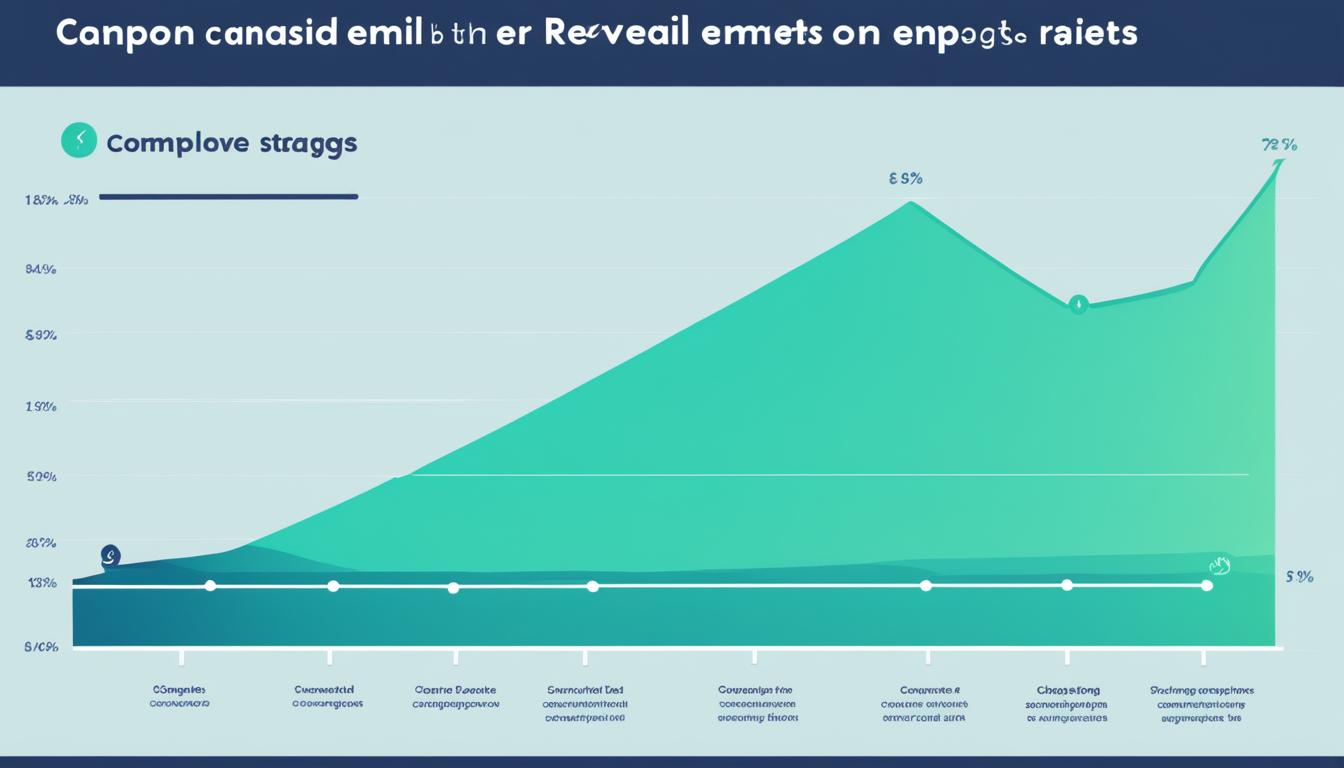
When it comes to email marketing, measuring success is key to understanding the effectiveness of your campaigns and optimizing your strategy. By tracking essential email marketing metrics, you can gain valuable insights into subscriber engagement and the overall performance of your email campaigns.
In order to assess the impact of your email marketing efforts, there are several key metrics that you should be monitoring:
- Open rates: The percentage of subscribers who open your emails.
- Click-through rates: The percentage of subscribers who click on links within your emails.
- Conversion rates: The percentage of subscribers who complete a desired action, such as making a purchase or filling out a form, based on the email they received.
- Bounce rates: The percentage of undeliverable emails due to invalid or inactive email addresses.
- Unsubscribe rates: The percentage of subscribers who opt out of receiving further emails from your brand.
By regularly monitoring these metrics, you can identify areas of improvement and refine your email marketing strategy for better results. Additionally, calculating your return on investment (ROI) will help you determine the financial impact of your campaigns.
Calculating your email marketing ROI involves analyzing the revenue generated from your email campaigns and comparing it to the investment (both time and resources) you’ve put into running those campaigns. This calculation provides valuable insights into the financial effectiveness of your email marketing strategy.
“Measuring email marketing success is not just about tracking numbers; it’s about understanding the impact of your campaigns and making data-driven decisions to optimize future efforts.”
By focusing on these email marketing metrics and calculating your ROI, you can refine your email marketing strategy, improve your campaign performance, and maximize the return on your investment.
Stay tuned for the next section, where we will explore the power of email marketing automation and its impact on effective email communication.
The Power of Email Marketing Automation
Email marketing automation has revolutionized the way businesses communicate with their customers. By leveraging automated processes and targeted messaging, companies can streamline their communication efforts, nurture customer relationships, and achieve greater success with their email marketing campaigns.
When it comes to effective email communication, automation offers a range of benefits that can significantly enhance your marketing strategy. Let’s explore some of the key advantages:
- Saves Time and Effort: With automation, you can set up email campaigns to be sent at specific times or triggered by certain actions, such as a customer signing up for your newsletter or completing a purchase. This eliminates the need for manual sending and allows you to focus on other important aspects of your business.
- Personalization at Scale: Automation allows you to segment your audience based on various criteria, such as demographics, purchase history, or engagement levels. By tailoring your messages to specific customer segments, you can deliver more personalized content and build stronger connections with your subscribers.
- Improved Engagement: Automated emails can be triggered based on customer behavior, such as abandoned carts or inactive periods. By sending targeted messages that address these specific actions, you can re-engage customers and encourage them to take the desired action.
- Nurturing Customer Relationships: Email automation enables you to design email sequences or drip campaigns that guide customers through the buyer’s journey. By providing relevant content and valuable information at each stage, you can nurture relationships and move customers closer to conversion.
Automated email journeys can be incredibly powerful in delivering a personalized experience to your customers. By mapping out your customer’s journey and aligning it with your email sequences, you can guide them towards conversion while building trust and loyalty.
Additionally, automation provides valuable insights into your email campaign performance. By tracking metrics such as open rates, click-through rates, and conversions, you can analyze the effectiveness of your messages and make data-driven decisions to optimize your campaigns further.
Unlocking the Potential with Email Marketing Automation
Implementing email marketing automation requires the right tools and strategy. Choosing a reliable email marketing platform that offers automation features is crucial. Look for platforms that provide intuitive interfaces, advanced segmentation options, and robust reporting capabilities.
As you begin implementing email marketing automation, consider the following tips:
- Define clear goals and objectives for your automation campaigns.
- Segment your audience based on relevant criteria to ensure targeted messaging.
- Create compelling and personalized content that resonates with your subscribers.
- Optimize your email design for different devices to maximize engagement.
- Test and refine your automation workflows to improve performance over time.
By harnessing the power of email marketing automation, you can elevate your communication strategies, strengthen customer relationships, and drive better results for your business.
Implementing Targeted Email Marketing
Unlock the potential of targeted email marketing by effectively segmenting your audience. With email segmentation, you can tailor your messages to specific groups of subscribers, resulting in higher engagement and conversion rates. By analyzing customer data and creating meaningful segments, you can deliver personalized messages that resonate with your subscribers.
To implement targeted email marketing, follow these steps:
- Analyze Customer Data: Start by collecting and analyzing data about your subscribers. This can include demographic information, purchase history, browsing behavior, and engagement metrics.
- Create Meaningful Segments: Once you have analyzed the data, identify common characteristics or behaviors among your subscribers. Use these insights to create segments based on their interests, preferences, or lifecycle stage.
- Personalize Your Messages: Craft personalized messages that address the specific needs and interests of each segment. Use dynamic content and merge tags to customize the email content, subject lines, and calls to action.
- Test and Optimize: Continuously test your email campaigns to optimize their performance. Experiment with different subject lines, content variations, and send times to uncover what resonates best with each segment.
- Monitor Results: Track the success of your targeted email marketing efforts by monitoring key metrics such as open rates, click-through rates, conversion rates, and revenue generated. Use this data to refine your segments and improve future campaigns.
By implementing targeted email marketing, you can deliver highly relevant and engaging content to your subscribers, resulting in higher conversion rates and customer satisfaction. Take advantage of the power of email segmentation to unlock the full potential of your email marketing strategy.
Benefits of Targeted Email Marketing
Implementing targeted email marketing offers several benefits:
- Higher Engagement: When your emails are personalized and relevant to the recipient, they are more likely to engage with your content through opens, clicks, and conversions.
- Better Conversion Rates: By tailoring your messages to specific segments, you can address the unique needs and interests of each group, increasing the likelihood of conversions.
- Improved Customer Satisfaction: When subscribers receive content that aligns with their interests and preferences, they feel understood and valued, leading to enhanced customer satisfaction and loyalty.
- Increased ROI: Targeted email marketing allows you to make the most of your resources by focusing on segments that are more likely to convert, resulting in a higher return on investment.
Case Study: Company XYZ’s Successful Email Segmentation Strategy
“By implementing email segmentation, Company XYZ was able to significantly improve its email marketing performance. They analyzed their subscriber data and identified three main segments: new customers, engaged subscribers, and inactive subscribers. Each segment received tailored content and offers, resulting in a 25% increase in open rates, a 30% increase in click-through rates, and a 20% increase in conversions. Through continuous optimization and refinement of their segments, Company XYZ continues to see continued success in their targeted email marketing campaigns.”
Implementing targeted email marketing through effective segmentation can have a significant impact on your email marketing success. By delivering personalized and relevant messages to your subscribers, you can improve engagement, conversions, and overall campaign performance.
Essential Tools for Email Marketing Success
Enhance your email marketing strategy with a curated selection of valuable tools and software. These resources will help you streamline your email campaigns and achieve better results. From email marketing platforms to analytics and testing tools, we’ve got you covered.
Email Marketing Platforms
Choose the right email marketing platform to streamline your campaigns and manage your subscriber list effectively. These platforms offer features such as templates, automation, segmentation, and reporting for a successful email marketing strategy. Here are some popular options:
| Platform | Features |
| Mailchimp | Drag-and-drop editor, automation, A/B testing, detailed analytics |
| Constant Contact | Customizable templates, list management, social media integration |
| GetResponse | Landing page builder, sales funnels, webinar hosting |
Email Analytics and Reporting Tools
Measure the success of your email campaigns with powerful analytics and reporting tools. These tools provide valuable insights into open rates, click-through rates, conversions, and more. Here are some recommended options:
- Google Analytics: Track website traffic and user behavior triggered by your email campaigns.
- EmailOctopus: Monitor campaign performance with detailed reports and real-time analytics.
- Sendinblue: Measure key email metrics, including deliverability and engagement rates.
Email Testing and Optimization Tools
Ensure the effectiveness of your email campaigns by testing and optimizing various elements. These tools allow you to conduct A/B testing, preview emails across devices, and optimize deliverability. Consider the following options:
- Litmus: Test and preview emails in various email clients and devices to ensure consistent rendering.
- SendX: Conduct A/B tests for subject lines, content, and more to maximize engagement.
- Email on Acid: Optimize deliverability by testing your emails against spam filters and authentication protocols.
“Using the right email marketing tools can make a significant difference in the success of your campaigns. These tools provide the functionality and insights you need to optimize your strategy and reach your target audience effectively.”
With the help of these essential tools, you can take your email marketing to the next level. From selecting the right platform to analyzing performance and optimizing campaigns, these resources will empower you to achieve successful email marketing results.
Conclusion
After exploring the ins and outs of crafting an effective email marketing strategy, you now have a solid foundation to take your campaigns to the next level. Let’s recap the key takeaways that can help you achieve success.
Firstly, remember to establish a clear email marketing strategy framework. Define your goals, identify your target audience, and determine the tone and frequency of your emails. Having these components in place will ensure that your email campaigns align with your business objectives.
Secondly, leverage real-life email marketing strategy examples to inspire your own campaigns. Look at successful brands in your industry and study how they engage their subscribers. Take note of their unique approach, compelling content, and effective call-to-action, and adapt those strategies to suit your own brand voice.
Ultimately, an effective email marketing strategy is all about understanding your audience, delivering value, and maintaining consistent communication. By applying the best practices we’ve discussed throughout this guide, you will be well-equipped to create engaging, personalized, and impactful email campaigns that drive results for your business.
FAQ
What is an email marketing strategy?
An email marketing strategy is a plan that outlines how a business will use email to communicate with its audience, achieve specific goals, and generate desired outcomes. It includes tactics for building and managing an email list, creating and sending targeted email campaigns, and analyzing the effectiveness of those campaigns. A well-crafted email marketing strategy helps businesses achieve higher email engagement, conversions, and overall marketing success.
Why is an email marketing strategy important?
An email marketing strategy is important because it provides a framework for businesses to effectively communicate with their audience and achieve their marketing goals. It helps businesses deliver relevant and engaging content to their subscribers, build strong customer relationships, and drive conversions. Without a clear strategy, businesses may send inconsistent emails, miss opportunities for personalization and segmentation, and fail to measure the success of their email campaigns.
What are the key components of an effective email marketing strategy?
The key components of an effective email marketing strategy include defining goals and objectives, identifying the target audience, creating valuable content, establishing the right tone and frequency of emails, implementing personalization and segmentation strategies, optimizing email design and deliverability, and continuously analyzing and improving campaign performance. Each component plays a critical role in crafting a successful email marketing strategy that resonates with subscribers and drives desired outcomes.
What are the best practices for email marketing campaigns?
Some best practices for email marketing campaigns include crafting compelling subject lines, personalizing email content, segmenting the audience based on preferences and behaviors, optimizing email design for mobile devices, ensuring deliverability by following email deliverability best practices, testing and optimizing email campaigns for better performance, and complying with email marketing regulations and laws, such as CAN-SPAM or GDPR.
How do you measure the success of email marketing campaigns?
The success of email marketing campaigns can be measured through various metrics, including open rates, click-through rates, conversion rates, bounce rates, unsubscribe rates, and revenue generated. By regularly monitoring these metrics and analyzing campaign data, businesses can determine the effectiveness of their email campaigns, identify areas for improvement, and make data-driven decisions to optimize future campaigns.
What is email marketing automation, and how can it benefit businesses?
Email marketing automation refers to the use of software and technology to automate various aspects of email marketing, such as sending personalized triggered emails based on subscriber actions or behaviors. Automation allows businesses to streamline their communication process, deliver timely and relevant messages to subscribers, nurture customer relationships efficiently, and improve overall campaign effectiveness. It saves time, increases efficiency, and enables businesses to deliver more personalized and targeted emails at scale.
How can businesses implement targeted email marketing?
Businesses can implement targeted email marketing by segmenting their audience based on demographics, preferences, behaviors, or past interactions with the brand. By analyzing customer data and creating meaningful segments, businesses can deliver highly personalized and relevant messages to specific groups of subscribers. Targeted email marketing helps businesses increase engagement, conversions, and customer satisfaction by delivering the right message to the right people at the right time.
What are some essential tools for successful email marketing?
There are several essential tools and software that can enhance an email marketing strategy. These tools include email marketing platforms like Mailchimp and Constant Contact, analytics tools like Google Analytics or Adobe Analytics, A/B testing tools like Optimizely, and email deliverability tools like Sender Score. These tools help businesses manage their email campaigns, measure performance, optimize content and design, and ensure high deliverability rates, ultimately leading to more successful email marketing efforts.
How can I create my own email marketing strategy?
To create your own email marketing strategy, start by defining your goals and objectives. Identify your target audience and understand their needs and preferences. Create valuable content that resonates with your audience and aligns with your goals. Determine the right tone and frequency for your emails, and consider implementing personalization and segmentation strategies. Test and optimize your campaigns based on data and metrics, and continuously analyze and improve your email marketing strategy to drive better results.
Can you provide examples of successful email marketing strategies?
Sure! Some examples of successful email marketing strategies are personalized welcome email series that engage new subscribers, abandoned cart emails that incentivize shoppers to complete their purchase, re-engagement campaigns that target inactive subscribers with exclusive offers, and loyalty programs that reward and retain loyal customers. These strategies demonstrate the power of segmentation, personalization, and targeted communication to drive conversions and build customer loyalty.