


To conduct an effective SEO audit, it is important to be well-prepared. By following these steps, you can ensure a smooth audit process and optimize your website for better search engine rankings.
Gather Data
Before you begin your SEO audit, gather all the relevant data about your website’s performance. This includes information about your website traffic, keyword rankings, backlinks, and user behavior. Use tools such as Google Analytics, Google Search Console, and SEO auditing software to collect this data.
Analyze Analytics
Once you have gathered the data, analyze it to gain insights into your website’s performance. Look for patterns, trends, and areas where improvements can be made. Pay close attention to metrics like organic traffic, bounce rate, click-through rate, and conversion rate. This analysis will help you identify areas that require optimization.
Set Goals
Based on your analysis, set clear goals for your SEO audit. Determine what you want to achieve through the audit process. Do you want to improve your website’s organic rankings, increase traffic, or enhance user experience? Setting specific and measurable goals will help you stay focused during the audit and track your progress.
By following these steps, you can ensure a smooth audit process and optimize your website for better search engine rankings.
Develop an Audit Plan
Once you have gathered data, analyzed analytics, and set goals, it’s time to develop an audit plan. This plan will outline the specific areas of your website that you will evaluate during the audit. Break down the audit into different sections, such as on-page SEO, off-page SEO, technical SEO, and website structure. This will help you maintain organization and ensure that no aspect of your website is overlooked.
Create a Checklist
To ensure that you cover all the necessary elements during the audit, create a checklist. This checklist should include all the key factors you need to evaluate, such as keyword usage, meta tags, site speed, mobile optimization, and content quality. By following a checklist, you can stay structured and thorough in your audit process.
Allocate Resources
Before you begin the actual audit, allocate the necessary resources, including time and personnel. SEO audits can be time-consuming, so it’s important to allocate enough time to complete the audit thoroughly. Additionally, consider involving team members or hiring SEO experts who can provide valuable insights and expertise.
By being well-prepared and following these steps, you will be ready to conduct an effective SEO audit. The next section will cover the analysis of on-page SEO factors, an essential component of the audit process.
Analyzing On-Page SEO Factors
When it comes to optimizing your website, on-page SEO factors play a vital role. By analyzing these key elements, you can enhance your website’s visibility and improve its search engine rankings. In this section, we will explore how to effectively assess your website’s content, meta tags, URLs, and keyword usage to drive organic traffic and achieve better SEO results.
Evaluating Your Website’s Content
Well-crafted and relevant content is the cornerstone of any successful website. By evaluating your website’s content, you can identify areas for improvement to attract and engage your target audience. Consider these aspects when analyzing your content:
- Quality: Ensure that your content is informative, engaging, and well-written.
- Relevance: Align your content with your target audience’s needs and interests.
Remember to utilize relevant keywords strategically throughout your content to optimize its visibility for search engines.
Optimizing Meta Tags for SEO
Meta tags provide essential information about your web pages to search engines and users. When analyzing your meta tags, focus on the following:
- Title Tag: Craft concise and descriptive titles that accurately represent your content.
- Meta Description: Write compelling and informative meta descriptions to entice users to click through to your website.
- Header Tags: Use header tags (h1, h2, etc.) to structure your content and highlight important headings.
Ensure that your meta tags contain relevant keywords, but avoid keyword stuffing, as this can negatively impact your SEO efforts.
Optimizing URLs
URL structure plays a significant role in improving your website’s user experience and search engine discoverability. Consider the following best practices when analyzing your URLs:
- Short and Descriptive: Create concise and descriptive URLs that accurately reflect the content of the page.
- Hyphens: Use hyphens to separate words in your URLs for better readability and SEO.
By optimizing your URLs, you provide both search engines and users with clear signals about your website’s content.
Performing Keyword Analysis
Keywords are the foundation of SEO. By conducting thorough keyword analysis, you can identify the most relevant and valuable keywords for your website. When performing keyword analysis, consider the following:
“Good keywords are like compasses – they guide your content towards the right audience.”
- Keyword Relevance: Choose keywords that are closely related to your content, products, or services.
- Search Volume: Consider the search volume of each keyword to determine its potential impact on your website’s visibility.
- Competition: Evaluate the level of competition for each keyword to understand the difficulty of ranking for them.
By incorporating relevant keywords strategically throughout your website, you can improve its visibility and attract organic traffic from search engines.
Now that we have explored the crucial on-page SEO factors, let’s put our knowledge into action and analyze our website accordingly. Remember, optimizing these elements will greatly contribute to your website’s overall performance in search engine rankings.
| On-Page SEO Factors | Importance |
| Quality content | High |
| Relevant keywords | High |
| Optimized meta tags | Medium |
| Descriptive URLs | Medium |
| Keyword analysis | High |
Assessing Off-Page SEO Factors
Off-page SEO plays a crucial role in optimizing your website and improving its visibility in search engine rankings. It involves factors such as backlinks and social media presence, which contribute to your online reputation and authority. By assessing these off-page elements, you can enhance your website’s overall performance and reach a wider audience.
One key aspect of off-page SEO is building high-quality backlinks from reputable websites. These backlinks act as votes of confidence, indicating that other websites trust and value your content. To assess the quality and relevance of your backlinks, consider the following:
- Link Authority: Evaluate the authority and reputation of the websites linking to you. High-authority domains passing link equity can have a significant impact on your search engine rankings.
- Relevance: Ensure that the websites linking to you are relevant to your industry or niche. Backlinks from relevant sources carry more weight in search engine algorithms.
- Anchor Text: Analyze the anchor text used in the backlinks. It should be descriptive and include relevant keywords to maximize its SEO value.
- Natural Growth: Monitor the growth of your backlink profile over time. Gradual and organic growth is more favorable than sudden spikes, which may raise red flags.
Additionally, your social media presence plays a vital role in off-page SEO. Social signals, such as likes, shares, and comments on social media platforms, can indicate the popularity and engagement of your content. To assess your social media presence, consider the following:
- Platforms: Evaluate your presence on popular social media platforms, such as Facebook, Twitter, Instagram, and LinkedIn. Determine which platforms are most relevant to your target audience.
- Audience Engagement: Monitor the level of engagement your content receives on social media. This includes likes, shares, comments, and mentions. Engaging content can attract more visibility and drive traffic to your website.
- Consistency: Regularly update your social media profiles with fresh and valuable content. Consistency helps maintain an active and engaged social media presence.
By assessing and optimizing your website’s off-page SEO factors, you can strengthen your online presence, improve search engine rankings, and attract more organic traffic to your website.
| Off-Page SEO Factors | Evaluation Criteria |
| Backlinks |
|
| Social Media Presence |
|
Conducting a Technical SEO Audit
Technical SEO plays a crucial role in improving your website’s visibility to search engines and ensuring optimal performance. By conducting a thorough technical SEO audit, you can identify and address issues that may be hindering your website’s rankings. In this section, we will guide you through the process of conducting a comprehensive technical SEO audit, focusing on key elements such as site speed, mobile optimization, and crawlability.
1. Assessing Site Speed
Site speed is a critical factor in providing a positive user experience and achieving higher search engine rankings. Use tools like Google PageSpeed Insights to evaluate your website’s loading speed and identify areas for improvement. Optimize your images, minify CSS and JavaScript files, and consider using content delivery networks (CDNs) to enhance your site’s speed.
2. Optimizing Mobile Experience
In today’s mobile-dominated world, ensuring a seamless mobile experience is essential for both users and search engines. Test your website’s mobile-friendliness using Google’s Mobile-Friendly Test tool and address any issues that may arise. Ensure your site is responsive, well-optimized for mobile devices, and provides a user-friendly interface.
3. Enhancing Website Crawlability
Search engine bots need to crawl and index your website effectively to understand its content and rank it accordingly. Conduct a thorough examination of your website’s structure, internal linking, and XML sitemap. Use tools like Google Search Console to identify crawl errors and broken links. Ensure that your robots.txt file is correctly configured to allow search engines to access and crawl your site.
4. Analyzing Technical On-Page Factors
Technical on-page factors influence how search engines perceive and understand your website’s content. Review your website’s meta tags, headings, URL structure, and schema markup. Optimize these elements by incorporating relevant keywords, making them descriptive, and ensuring they align with your overall SEO strategy.
5. Implementing Structured Data Markup
Structured data markup helps search engines better understand the content on your website, enhancing its visibility in search results through rich snippets. Research and implement appropriate structured data markup, such as Schema.org, to provide additional context to search engines and improve your website’s chances of appearing in featured snippets and other SERP features.
| Technical SEO Audit Checklist | Actions |
| Assess site speed | Optimize images, minify files, consider CDNs |
| Optimize mobile experience | Ensure responsiveness and user-friendly interface |
| Enhance website crawlability | Review site structure, internal linking, XML sitemap |
| Analyze technical on-page factors | Optimize meta tags, headings, URL structure |
| Implement structured data markup | Use Schema.org to enhance search engine understanding |
Remember, technical SEO is an ongoing process. Regularly conduct audits to ensure your website remains optimized and take proactive steps to address any emerging issues. By prioritizing technical SEO, you enhance your website’s visibility, user experience, and overall search engine performance.
Analyzing Website Structure and Navigation
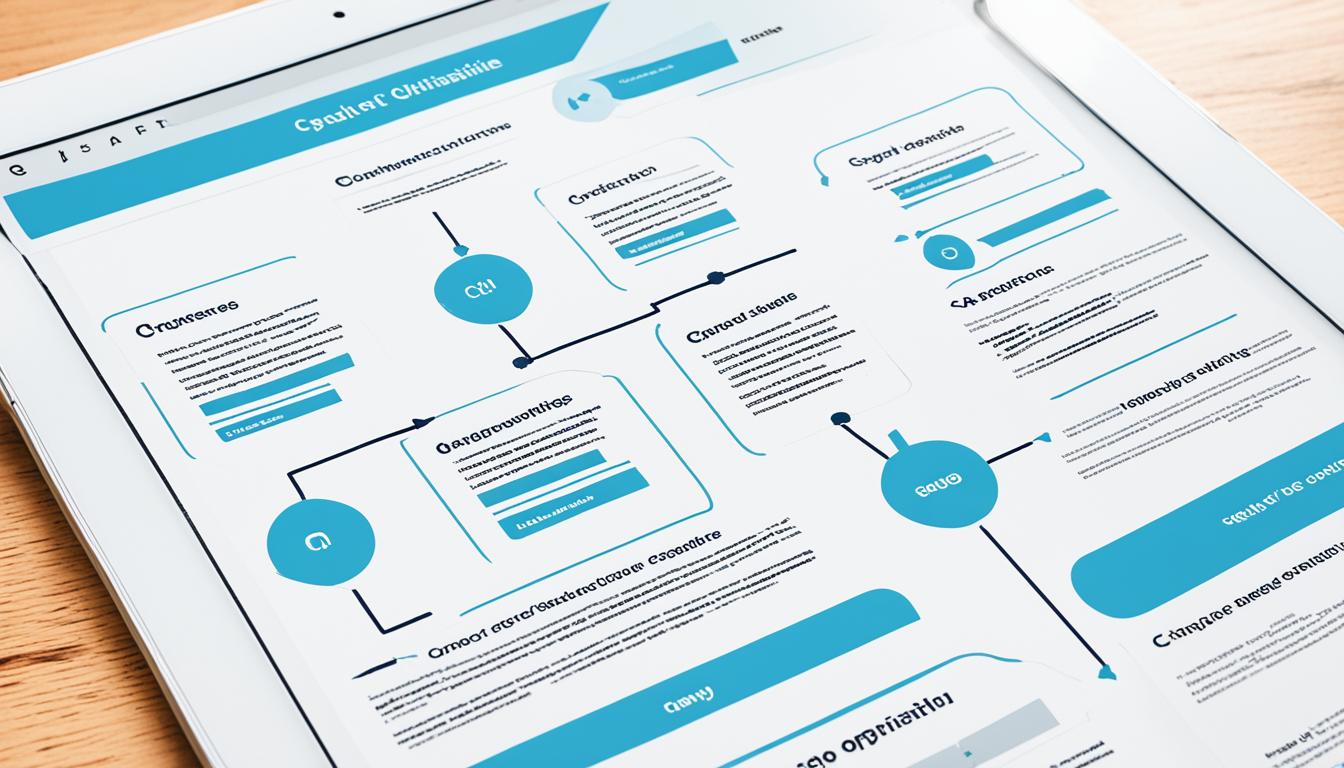
The structure and navigation of your website are vital elements that contribute to both user experience and search engine rankings. By analyzing and optimizing these aspects, you can ensure a seamless browsing experience for visitors and improve your website’s performance.
Assessing Website Structure
The first step in analyzing your website’s structure is to evaluate its organization and hierarchy. Ensure that your website has a logical and intuitive structure, with clear categories and subcategories that help users navigate through your content easily. A well-structured website not only improves user experience but also makes it easier for search engines to understand and index your pages.
“A well-structured website not only improves user experience but also makes it easier for search engines to understand and index your pages.”
Consider implementing breadcrumb navigation, which displays the user’s location on your website and allows for easy navigation back to higher-level pages. Breadcrumbs provide context and improve user experience by reducing the number of clicks required to navigate through your site.
Optimizing URL Hierarchy
URLs play a significant role in website optimization. Ensure that your URLs are descriptive, concise, and include relevant keywords. A clean and user-friendly URL structure not only improves search engine visibility but also makes it easier for users to understand the content of your pages.
“Ensure that your URLs are descriptive, concise, and include relevant keywords.”
Consider using a hierarchical structure for your URLs, with subfolders representing different sections of your website. This helps search engines understand the relationship between your pages and improves overall site organization.
Enhancing Navigation
Navigation is a crucial aspect of website usability. Evaluate your website’s navigation menus and ensure they are clear, intuitive, and easy to use. Use descriptive labels for menu items and have a logical hierarchy. Avoid overwhelming your users with too many menu options and consider implementing drop-down menus to organize large amounts of content.
“Navigation is a crucial aspect of website usability. Evaluate your website’s navigation menus and ensure they are clear, intuitive, and easy to use.”
Additionally, include internal links within your content to guide users to related pages or sections on your website. Internal linking helps visitors discover more of your content, improves navigation, and enhances the overall user experience.
Optimizing your website’s structure and navigation is crucial for both user satisfaction and search engine rankings. By applying these strategies, you can create a user-friendly website that not only engages visitors but also improves your website’s performance in search engine results.
Evaluating Website Content
Content is the backbone of any successful website. The quality, relevance, and keyword usage in your content greatly impact your website’s visibility and SEO performance. In this section, we will discuss how to evaluate your website’s content to ensure it is optimized for search engines and attracts organic traffic.
Evaluating Content Quality
When assessing the quality of your website’s content, consider the following:
- Is your content well-written, engaging, and error-free?
- Does it provide value and fulfill the needs of your target audience?
- Is it authoritative and trustworthy, supported by credible sources?
- Is your content easy to read and scan, with clear headings and formatting?
Remember, high-quality content not only improves your search engine rankings but also encourages visitors to spend more time on your website and increases their likelihood of conversion.
Evaluating Content Relevance
Relevance is crucial for attracting the right audience to your website. Use the following strategies to assess the relevance of your content:
- Align your content with your target audience’s interests, needs, and search queries.
- Ensure your content addresses specific topics and keywords relevant to your niche.
- Regularly update and refresh your content to keep it current and in line with industry trends.
- Identify and remove any outdated, duplicate, or irrelevant content that may hinder your website’s performance.
By regularly evaluating and optimizing your content’s relevance, you can improve your website’s visibility and attract a more engaged audience.
Evaluating Keyword Usage
Proper keyword usage is essential for optimizing your content for search engines. Consider the following when evaluating keyword usage:
- Conduct keyword research to identify relevant keywords for your industry and target audience.
- Ensure your chosen keywords are strategically integrated into your content, including headings, subheadings, and body text.
- Avoid keyword stuffing, which can negatively impact your SEO performance.
- Use variations of your target keywords naturally throughout your content.
Optimizing your content’s keyword usage helps search engines understand the relevance of your website and improves your chances of ranking higher in search results.
| Content Evaluation Checklist |
| Is the content well-written, engaging, and error-free? |
| Does the content provide value to the target audience? |
| Is the content authoritative and trustworthy? |
| Is the content easy to read and scan? |
| Is the content aligned with the target audience’s interests and needs? |
| Does the content address specific topics and relevant keywords? |
| Is the content up to date and in line with industry trends? |
| Are the keywords strategically integrated into the content? |
By evaluating and optimizing your website’s content, you can enhance its relevance, engage your target audience, and improve its visibility in search engine rankings.
Tracking and Analyzing Website Analytics
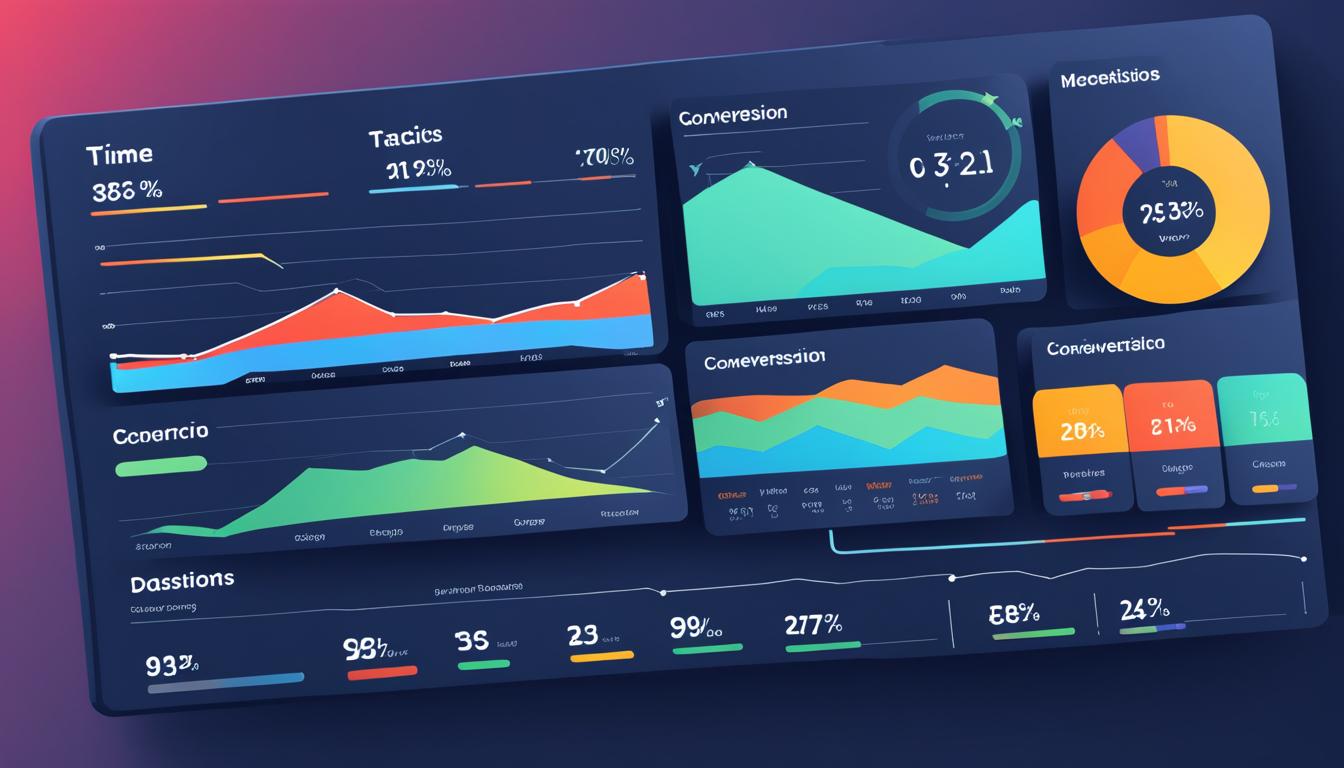
Monitoring and analyzing your website’s analytics is crucial for assessing its overall performance. By tracking key metrics and interpreting data, you can make informed decisions to optimize your website’s performance. Here, we will guide you through the process of effectively monitoring and analyzing your website analytics to improve your website’s performance and SEO audit results.
Key Metrics to Track
When analyzing website analytics, it’s essential to focus on key metrics that provide insights into your website’s performance and user behavior. Below are some important metrics to track:
- Website traffic: Measure the number of visitors your website receives over time. This metric helps you understand your website’s popularity and growth.
- Page views: Keep track of how many pages on your website are being viewed. This metric helps you identify popular content and areas for improvement.
- Bounce rate: Determine the percentage of visitors who leave your website after viewing only one page. A high bounce rate may indicate a lack of engagement or relevance.
- Conversion rate: Measure the percentage of visitors who take a desired action on your website, such as making a purchase or submitting a form. This metric helps assess the effectiveness of your website in achieving its goals.
- Average session duration: Calculate the average amount of time visitors spend on your website. Longer session durations generally indicate greater engagement.
By regularly monitoring these metrics, you can gain valuable insights into your website’s performance and make data-driven decisions to optimize its SEO and user experience.
Interpreting and Analyzing Data
Once you have gathered website analytics data, it’s crucial to interpret and analyze it effectively. Here are some tips:
“Data is only valuable if you can understand what it means.”
– Neil Patel
- Identify trends: Look for patterns and trends in your website analytics data. Are certain pages consistently popular? Are there fluctuations in traffic during specific times of the week or year? Understanding these trends can help you optimize your website accordingly.
- Compare data: Compare data from different time periods to assess changes and improvements. For example, compare this month’s performance to last month’s to identify areas of growth or decline.
- Segment data: Analyze data by different segments, such as traffic sources, demographics, or device types. This segmentation can provide insights into different user behaviors and preferences.
- Compare with benchmarks: Compare your website’s performance metrics with industry benchmarks to evaluate how well you are doing compared to your competitors. This analysis can identify areas where you excel or areas that require improvement.
Optimizing Your Website’s Performance
Based on the insights gained from tracking and analyzing website analytics, you can take specific steps to optimize your website’s performance:
- Identify and address issues: Use the data to identify any performance issues or areas for improvement on your website. For example, if you have a high bounce rate on certain pages, analyze the content and user experience to make appropriate adjustments.
- Refine your SEO strategy: Determine which keywords and pages are driving the most traffic and conversions. Use this information to refine your SEO strategy and optimize those pages for better performance.
- Improve user experience: Analyze user behavior data to identify how visitors navigate your website and any pain points they may encounter. Use this insight to improve the overall user experience, ensuring seamless navigation and clear calls to action.
Remember, tracking and analyzing website analytics is an ongoing process. Regularly review your data, make adjustments, and monitor the impact of your optimizations to consistently improve your website’s performance and SEO audit results.
| Metric | Description |
| Website Traffic | The number of visitors your website receives over time. |
| Page Views | The number of pages on your website that are being viewed. |
| Bounce Rate | The percentage of visitors who leave your website after viewing only one page. |
| Conversion Rate | The percentage of visitors who take a desired action on your website. |
| Average Session Duration | The average amount of time visitors spend on your website. |
Implementing SEO Best Practices
Now that you have completed an in-depth SEO audit and analyzed various aspects of your website, it’s time to put your findings into action! Implementing SEO best practices will help improve your website’s visibility and enhance its search engine rankings.
Optimize Your Website’s Structure and Navigation
An optimized website structure and navigation are crucial for both users and search engines. To enhance user experience and improve search engine rankings:
- Create a logical and user-friendly website structure
- Organize your website’s content using meaningful categories and subcategories
- Ensure easy navigation with clear menus and internal linking
An optimized structure and navigation will make it easier for search engines to crawl and index your website, leading to improved visibility and ranking.
Optimize Your Website’s Content
High-quality and relevant content is the backbone of a successful website. To optimize your website’s content:
- Perform keyword research and incorporate relevant keywords naturally into your content
- Create unique and compelling meta tags, including meta titles and descriptions
Ensure your content is well-structured with headings (H1, H2, etc.) and subheadings (H3, H4, etc.) - Improve the readability of your content by using bullet points, numbered lists, and shorter paragraphs
By optimizing your website’s content, you can attract more organic traffic and satisfy user search intent, ultimately improving your search engine rankings.
Build High-Quality Backlinks
Backlinks from reputable and authoritative websites are essential for boosting your website’s credibility and search engine rankings. To build high-quality backlinks:
- Identify relevant websites and influencers in your industry
- Reach out to them to request backlinks or collaboration opportunities
- Create valuable and shareable content that naturally attracts backlinks
Remember, quality is more important than quantity when it comes to backlinks. Focus on acquiring backlinks from reputable sources within your niche.
Optimize for Mobile Devices
In today’s mobile-centric world, optimizing your website for mobile devices is crucial. With more users accessing the internet through smartphones and tablets, search engines prioritize mobile-friendly websites. To optimize for mobile:
- Ensure your website is responsive and adapts to different screen sizes
- Compress images and files to reduce load times
- Improve readability by using larger fonts and clear formatting
By providing a seamless mobile experience, you can improve user engagement and search engine rankings.
Implementing these SEO best practices will give your website a competitive edge and help it achieve better visibility and search engine rankings. Remember, SEO is an ongoing process, so continue to monitor and refine your strategies to stay ahead of the competition.
Monitoring and Maintaining SEO Efforts
Once you have conducted an SEO audit and optimized your website, the work doesn’t stop there. SEO is an ongoing process that requires consistent monitoring and maintenance to ensure your website continues to perform well in search engine rankings.
Regularly monitoring your SEO efforts allows you to track changes, identify potential issues, and adapt your strategies accordingly. By keeping a close eye on your website’s performance, you can make informed decisions to improve its optimization and stay ahead of the competition.
Tracking Key Performance Metrics
Tracking key performance metrics is essential for gauging the effectiveness of your SEO strategies. By monitoring metrics such as organic traffic, bounce rate, conversion rate, and keyword rankings, you can gain valuable insights into how well your website is performing.
Use tools like Google Analytics and Google Search Console to track these metrics and analyze the data. Look for trends, patterns, and areas where improvements can be made. This data will help you understand how your website is performing and identify opportunities for optimization.
Adapting Your Strategies
The digital landscape is constantly evolving, and search engine algorithms are regularly updated. To maintain your website’s visibility, it’s important to adapt your SEO strategies accordingly.
Monitor industry trends, stay updated on algorithm changes, and adjust your keyword targeting and content strategies as needed. Regularly reviewing and updating your website’s content will help ensure it remains relevant and enticing to both search engines and users.
“The key to successful SEO is not just optimization but also adaptability. By keeping a close eye on your website’s performance and making necessary adjustments, you can stay ahead of the competition and rise in search engine rankings.”
Continuously Improving Website Optimization
Optimizing your website is an ongoing process that requires continuous improvement. Regularly conduct mini-audits to identify any new optimization opportunities and address any issues that may have arisen. This includes checking for broken links, updating meta tags, and optimizing images.
Additionally, stay up to date with best practices in website optimization and SEO. Stay informed about the latest trends, techniques, and tools. By consistently improving your website’s optimization, you can maintain its visibility and ensure it remains competitive in the search engine rankings.
Tracking Results
Regularly track and measure the results of your SEO efforts. Keep a record of the changes you implement and the impact they have on your website’s performance. By tracking your results, you can identify what works best for your website and make data-driven decisions.
Review your tracking data periodically to assess the effectiveness of your strategies and determine if adjustments are needed. This will help you understand what areas require further optimization and ensure that your website remains optimized for search engine rankings.
| Key Tasks | Frequency |
| Monitor key performance metrics | Daily/Weekly/Monthly |
| Stay updated on industry trends and algorithm changes | Ongoing |
| Conduct regular mini-audits | Quarterly |
| Track and measure results | Ongoing |
By consistently monitoring and maintaining your SEO efforts, you can ensure that your website remains optimized and continues to rank well in search engine results. Remember, SEO is a continuous process, and staying proactive will help you stay ahead of the competition.
Conclusion
Congratulations! You have completed an in-depth SEO audit using our step-by-step guide. By implementing the recommendations and strategies mentioned throughout this guide, you are on your way to optimizing your website and achieving better search engine rankings.
Through this comprehensive SEO audit, you have gained valuable insights into your website’s performance and identified areas for improvement. By addressing on-page and off-page SEO factors, ensuring technical optimization, evaluating website structure and content, and tracking analytics, you have taken significant steps towards enhancing your website’s visibility and attracting organic traffic.
Remember, your website optimization journey doesn’t end here. Continuous monitoring and refinement of your SEO efforts are essential to staying ahead of the competition and maintaining and improving your website’s performance in search engine rankings. By keeping up with SEO best practices and adapting your strategies as needed, you will continue to thrive in the ever-evolving digital landscape.
FAQ
What is an SEO audit?
An SEO audit is a comprehensive analysis of your website to identify areas for improvement in order to optimize its visibility and search engine rankings.
Why is an SEO audit important?
An SEO audit is important because it helps you understand how well your website is performing and provides insights into areas that need optimization to increase organic traffic and improve search engine rankings.
How often should I conduct an SEO audit?
It is recommended to conduct an SEO audit at least once every six months to ensure your website is continuously optimized and to keep pace with changing search engine algorithms.
What should I do before conducting an SEO audit?
Before conducting an SEO audit, gather relevant data such as website analytics and keyword rankings, set clear goals for your audit, and familiarize yourself with any previous optimization efforts.
What are on-page SEO factors?
On-page SEO factors are elements that you can optimize directly on your website, such as content, meta tags, URLs, and keyword usage, to improve your website’s search engine rankings.
What are off-page SEO factors?
Off-page SEO factors are external factors that impact your website’s visibility, such as backlinks, social media presence, and online reputation. Optimizing these factors can improve your website’s search engine rankings.
What is technical SEO?
Technical SEO involves optimizing the technical aspects of your website, such as site speed, mobile optimization, crawlability, and site structure, to improve its visibility to search engines.
How does website structure and navigation impact SEO?
A well-structured website with intuitive navigation improves user experience and makes it easier for search engines to crawl and index your content, leading to better search engine rankings.
How should I evaluate website content for SEO?
You should evaluate your website’s content for its quality, relevance, and keyword usage. Ensure that your content provides value to your target audience and aligns with relevant keywords to attract organic traffic.
What should I track and analyze in website analytics?
In website analytics, track key metrics such as organic traffic, bounce rate, conversion rate, and average time on page to understand your website’s performance and make data-driven decisions for optimization.
What are some SEO best practices?
SEO best practices include optimizing your website’s on-page and off-page factors, conducting keyword research, creating high-quality content, building authoritative backlinks, and ensuring mobile optimization.
How can I monitor and maintain my SEO efforts?
Continuously monitor your website’s performance through regular audits, track changes in search engine rankings and organic traffic, analyze competitor strategies, and adapt your SEO strategies accordingly.