


When it comes to running successful PPC campaigns, effective management is key. From optimizing your ads to targeting the right keywords, mastering the art of PPC campaign management can make all the difference in achieving your desired results.
One of the most critical aspects of effective PPC management is optimizing your ads. Crafting compelling ad copy and designing visually appealing creative can greatly impact the performance of your campaigns. By capturing the attention of your target audience and conveying your message effectively, you increase the likelihood of driving conversions and achieving your campaign goals.
Another crucial component of effective PPC management is targeting the right keywords. Keyword targeting allows you to reach the right audience and maximize your campaign’s reach. Through extensive research and analysis, you can uncover keywords that are relevant to your business and have a high potential for driving quality traffic. By focusing on effective keyword targeting, you can ensure that your ads are being shown to the most relevant prospects and increase the chances of generating conversions.
Furthermore, ongoing optimization and monitoring of your campaigns are essential for success. Regularly reviewing key metrics such as click-through rates, conversion rates, and cost-per-click can provide valuable insights into the performance of your campaigns. This data can inform your decision-making process, enabling you to make necessary adjustments to optimize your ads and maximize ROI.
“Effective PPC campaign management involves continuous monitoring, optimization, and strategic decision-making. By refining your ads and targeting the right keywords, you can create PPC campaigns that deliver exceptional results.”
Ultimately, effective PPC campaign management requires a combination of strategic thinking, data analysis, and creative execution. By implementing the techniques mentioned above and staying proactive throughout the campaign lifecycle, you can position your PPC campaigns for success and drive meaningful results for your business.
Additional Resources:
- PPC Campaign Optimization: A Comprehensive Guide
- The Importance of Ad Copy in PPC Advertising
- Effective Keyword Research Strategies for PPC
- Maximizing ROI with PPC Bid Management
Maximizing ROI with PPC
When it comes to Pay Per Click (PPC) campaigns, one of the primary objectives is to maximize your return on investment (ROI). After all, what’s the point of investing in PPC if you’re not getting the most out of it?
Luckily, there are actionable strategies and insights that can help you increase the effectiveness of your PPC campaigns and achieve higher ROI. By implementing these techniques, you can optimize your campaigns to drive better results and maximize your PPC ROI.
“Maximizing your ROI with PPC requires a comprehensive understanding of the platform, targeting the right audience, and leveraging data-driven insights.”
Key Strategies for Maximizing ROI with PPC
To help you get started, here are some key strategies for increasing your ROI with PPC:
- Effective Keyword Research: Conduct thorough keyword research to identify high-converting keywords that align with your campaign goals. By targeting the right keywords, you can attract relevant traffic and increase the likelihood of conversions.
- A/B Testing: Test different variations of your ads, landing pages, and call-to-action buttons to identify which elements resonate best with your audience. A/B testing allows you to refine your campaigns based on data and optimize them for higher conversion rates.
- Optimized Landing Pages: Ensure your landing pages are optimized for conversions. Use compelling headlines, clear and concise messaging, and a strong call-to-action to guide users towards taking the desired action.
- Ad Schedule Optimization: Analyze the performance of your ads at different times of the day and days of the week. Adjust your ad schedule to focus on the periods when your target audience is most active and likely to engage with your ads.
- Ad Extensions: Take advantage of ad extensions to provide additional information and value to your potential customers. Extensions such as call extensions, sitelinks, and structured snippets can improve the visibility and effectiveness of your ads.
By implementing these strategies and continuously monitoring and optimizing your campaigns, you can maximize your ROI with PPC and achieve greater success in your advertising efforts.
| Benefits of Maximizing ROI with PPC | Actions to Take |
| Increased revenue | Implement effective keyword research techniques to target high-converting keywords. |
| Better campaign performance | Conduct A/B testing to optimize ads and landing pages for higher conversion rates. |
| Cost-effective advertising | Optimize landing pages to guide users towards taking the desired action and minimize wasted ad spend. |
| Improved brand visibility and awareness | Optimize ad schedules to reach your target audience at the most optimal times. |
Google Ads Best Practices
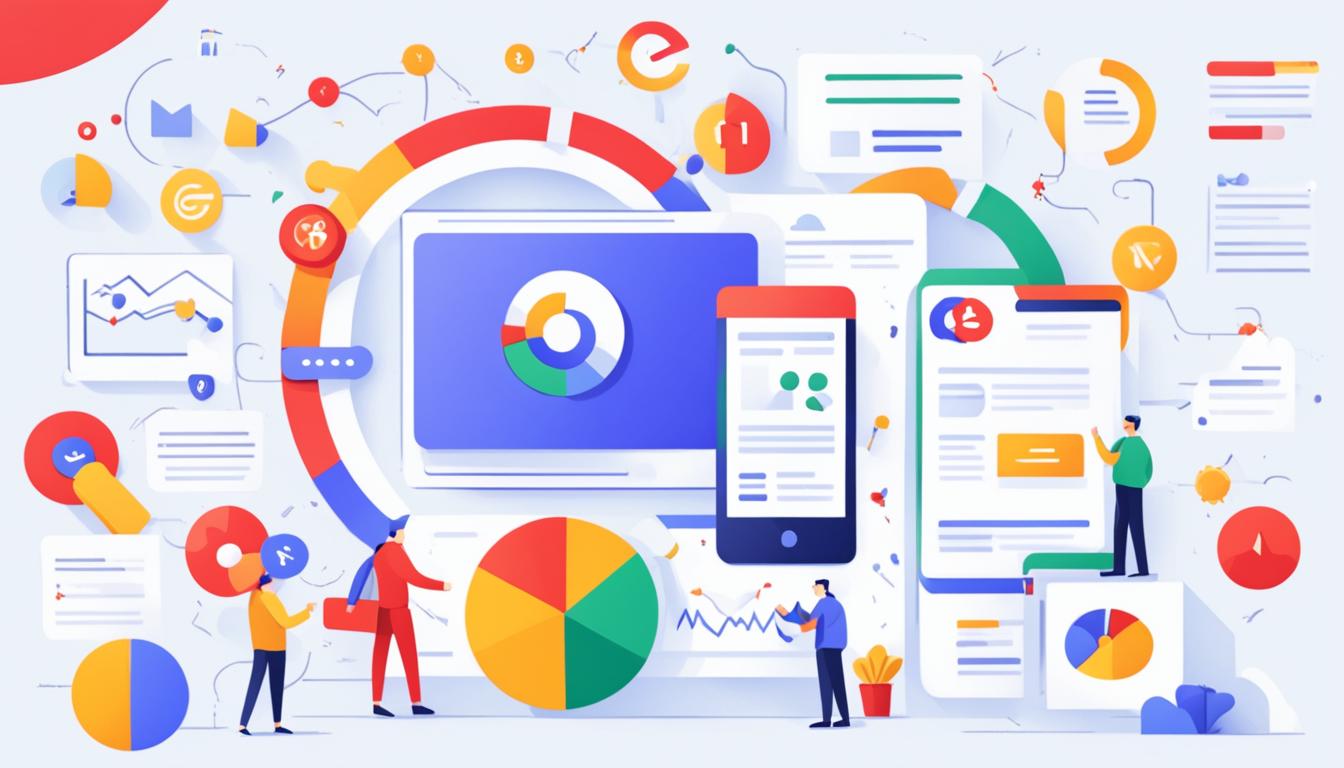
When it comes to running successful PPC campaigns, understanding and implementing Google Ads best practices is crucial. Google Ads is one of the most popular platforms for pay per click advertising, and by following these best practices, you can optimize your campaigns and achieve better results.
Understanding the Platform
Before diving into Google Ads, it’s essential to have a clear understanding of how the platform works. Familiarize yourself with the different ad formats, targeting options, and campaign settings available. This knowledge will help you make informed decisions and leverage the full potential of Google Ads.
Keyword Research
Effective keyword targeting is the foundation of a successful PPC campaign. Conduct thorough keyword research to identify relevant keywords with sufficient search volume and low competition. Use tools like Google Keyword Planner or SEMrush to generate keyword ideas and analyze their performance.
Ad Copy Optimization
Your ad copy is what captures the attention of potential customers. Craft compelling, concise, and relevant ad copies that highlight the unique selling points of your products or services. Focus on creating a sense of urgency, offering value, and using strong call-to-action phrases.
“Make your ad copies stand out by emphasizing the benefits and value your offerings provide. Use strong action verbs and create a sense of urgency to encourage clicks and conversions.”
Ad Extension Usage
Ad extensions provide additional information to your ads, making them more visible and compelling. Utilize relevant ad extensions like sitelink extensions, call extensions, and location extensions to increase the visibility and credibility of your ads. Incorporate specific and accurate information to enhance your ad’s relevancy.
Bid Management
Effective bid management can significantly impact the performance of your Google Ads campaigns. Regularly monitor and adjust your bids to ensure optimal ad placement and maximize your return on investment. Experiment with bidding strategies like manual bidding, automated bidding, or target CPA bidding to find the most effective approach for your campaign goals.
Tracking and Analytics
Track and analyze the performance of your Google Ads campaigns using tools like Google Analytics or Google Ads conversion tracking. Monitor key metrics such as click-through rate (CTR), conversion rate, cost per conversion, and return on ad spend (ROAS). Use this data to identify areas for improvement and make data-driven optimizations.
| Google Ads Best Practices | Description |
| Understand the Platform | Gain a clear understanding of the Google Ads platform, its features, and functionalities. |
| Keyword Research | Conduct thorough keyword research to identify relevant and high-performing keywords. |
| Ad Copy Optimization | Create compelling, concise, and relevant ad copies that drive clicks and conversions. |
| Ad Extension Usage | Utilize ad extensions to provide additional information and improve ad visibility. |
| Bid Management | Regularly monitor and adjust bids to optimize ad placement and ROI. |
| Tracking and Analytics | Track and analyze campaign performance to identify areas for improvement. |
By following these Google Ads best practices, you can enhance the effectiveness of your PPC campaigns and drive better results. Remember to consistently monitor and optimize your campaigns based on performance data to continuously improve your Google Ads strategy.
PPC Campaign Budgeting
When it comes to running successful Pay Per Click (PPC) campaigns, effective budgeting is crucial. PPC Campaign Budgeting, Pay Per Click Campaigns, and PPC Campaign Strategies play a significant role in determining the success and effectiveness of your campaigns.
Proper allocation of your budget will ensure that your ads reach the right audience at the right time, maximizing your chances of conversions and achieving your campaign goals. To help you navigate the process, here are some essential tips and strategies for effective PPC campaign budgeting:
- Set Clear Campaign Goals: Before allocating your budget, define your campaign objectives and goals. Whether it’s increasing brand awareness, generating leads, or driving sales, your budget should align with your desired outcomes.
- Understand Cost Per Click: Research and analyze the average cost per click for your target keywords and industry. This will give you insights into how much you need to allocate for each click and optimize your budget accordingly.
- Monitor and Evaluate: Regularly monitor the performance of your PPC campaigns and evaluate the effectiveness of your allocated budget. Make adjustments based on campaign analytics and performance metrics to optimize your budget allocation.
“Effective budgeting is the foundation of a successful PPC campaign.”
Segment Your Budget: Divide your budget among different campaigns, ad groups, or target keywords. This allows you to allocate more resources to high-performing areas and optimize your budget distribution for maximum impact.
Consider Seasonality: Take into account any seasonal trends or fluctuations in your industry when budgeting for PPC campaigns. Adjust your budget accordingly to maximize your reach during peak seasons or capitalize on specific trends.
Track ROI: Implement tracking mechanisms to measure the return on investment (ROI) of your PPC campaigns. Analyze the performance of different campaigns and adjust your budget allocation based on their respective ROI to ensure that your budget is being utilized effectively.
By following these PPC campaign budgeting strategies, you can make informed decisions regarding budget allocation and optimize your campaigns for success.
| Benefits of Effective PPC Campaign Budgeting | Challenges of Ineffective PPC Campaign Budgeting |
| Accurate and targeted ad spend | Wasted budget on underperforming campaigns |
| Maximized return on investment (ROI) from PPC campaigns | Inefficient use of resources |
| Higher click-through rates (CTR) | Inability to reach campaign goals |
| Improved campaign performance metrics | Lack of flexibility for optimization |
Understanding PPC Metrics
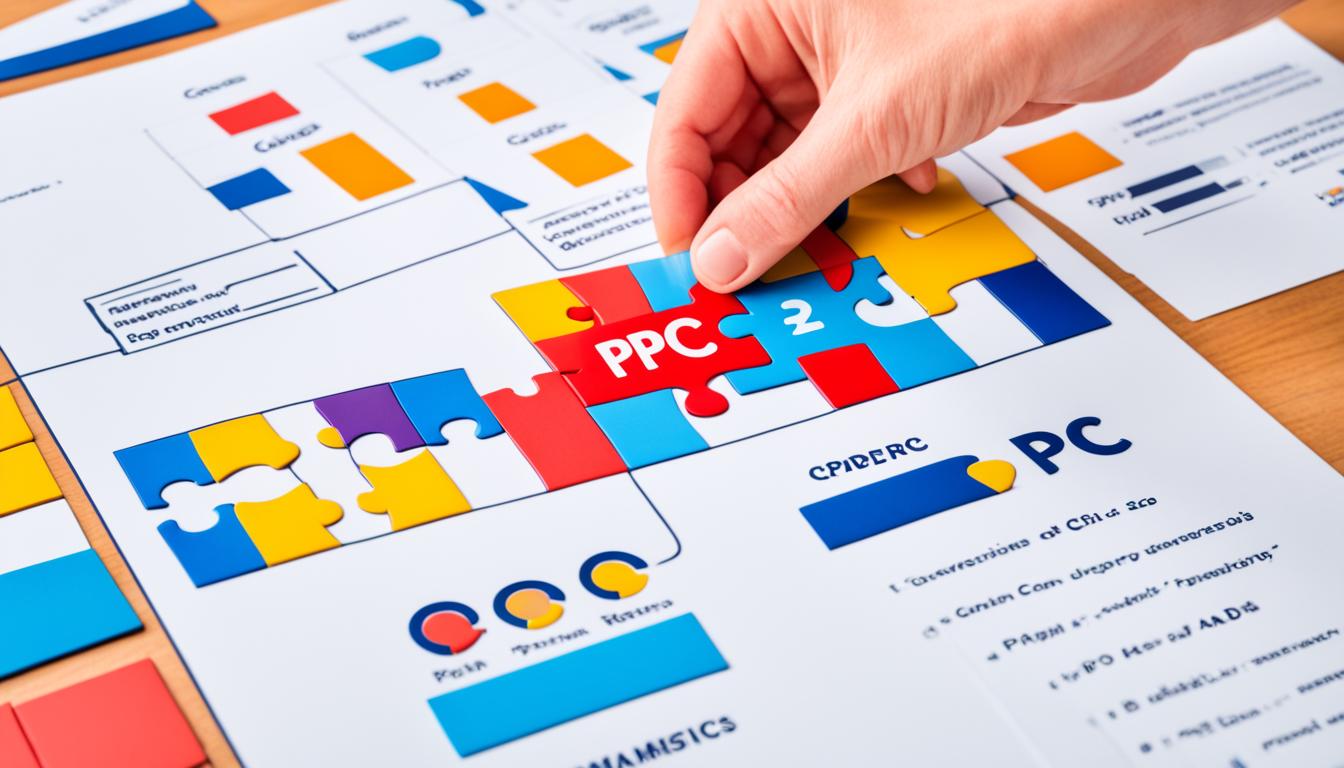
In the world of Pay Per Click (PPC) advertising, understanding and analyzing the right metrics is crucial for optimizing your campaigns and achieving better results. By diving into the important metrics that drive the success of your PPC ads, you can make data-driven decisions and maximize the performance of your campaigns.
When it comes to optimizing your Pay Per Click ads, there are several key metrics that you should focus on. Let’s take a look at some of the most essential ones:
| Metric | Description |
| Click-Through Rate (CTR) | The percentage of people who click on your ad after seeing it. A high CTR indicates that your ad is relevant and compelling to your target audience. |
| Conversion Rate | The percentage of people who complete a desired action, such as making a purchase or signing up for a newsletter, after clicking on your ad. A high conversion rate indicates that your ad is effectively driving conversions. |
| Cost Per Click (CPC) | The average amount you pay each time someone clicks on your ad. Monitoring your CPC helps you optimize your budget and ensure you’re getting the most value from your ad spend. |
| Quality Score | A rating given by search engines that determines the quality and relevance of your ads and keywords. A higher quality score can result in lower costs and higher ad rankings. |
| Return on Ad Spend (ROAS) | A measure of the revenue generated compared to the amount spent on ads. ROAS helps you evaluate the profitability of your PPC campaigns and make informed decisions about your advertising strategy. |
By monitoring and analyzing these metrics, you can gain valuable insights into the performance of your PPC campaigns and identify areas for improvement. For example, if your CTR is low, it may indicate that your ad copy or targeting needs adjustment. On the other hand, a low conversion rate may signal a need to optimize your landing page or refine your targeting.
Remember, optimizing your PPC ads is an ongoing process. Continuously monitoring and adjusting these metrics will help you optimize your campaigns and achieve better results over time.
Now that you have a better understanding of the important metrics in PPC advertising, it’s time to put your knowledge into action. In the next section, we will explore effective techniques for optimizing your PPC campaigns, taking into account these crucial metrics.
Key Takeaways:
- Understanding and analyzing the right metrics is crucial for optimizing PPC campaigns.
- Key metrics to focus on include click-through rate (CTR), conversion rate, cost per click (CPC), quality score, and return on ad spend (ROAS).
- Monitoring and analyzing these metrics helps identify areas for improvement and make data-driven decisions.
- Optimizing PPC ads is an ongoing process that requires continuous monitoring and adjustment.
Effective PPC Optimization Techniques
Optimizing your PPC campaigns is crucial in order to achieve maximum results and drive relevant traffic to your website. By implementing effective techniques, you can improve your ad performance and ultimately increase your conversion rates. Here are some PPC optimization techniques to help you optimize your campaigns:
- Refine Your Keyword Targeting: Conduct thorough keyword research to identify the most relevant and high-performing keywords for your campaigns. Focus on long-tail keywords and incorporate them strategically into your ads and landing pages.
- Improve Ad Copy: Craft compelling and relevant ad copy that highlights the unique selling points of your products or services. Use persuasive language and include a strong call-to-action to encourage clicks.
- Utilize Ad Extensions: Take advantage of ad extensions such as sitelinks, call extensions, and structured snippets to provide additional information about your business and enhance your ad visibility.
- Optimize Landing Pages: Create landing pages that align with your ads and provide a seamless user experience. Ensure that your landing pages are fast-loading, mobile-friendly, and contain clear and relevant information.
- Monitor and Analyze Performance: Regularly review and analyze the performance of your PPC campaigns. Identify underperforming keywords, ads, or targeting settings and make necessary adjustments to optimize your campaigns.
- A/B Testing: Experiment with different variations of your ads, landing pages, and targeting settings through A/B testing. Test different headlines, ad copy, and calls-to-action to determine what resonates best with your audience.
Implementing these PPC optimization techniques will help you refine your campaigns, improve your ad performance, and drive better results. Remember to continuously monitor and analyze your campaigns to stay ahead of the competition and maximize your PPC success.
Pay Per Click Marketing Insights
In the fast-paced world of digital advertising, staying informed about the latest Pay Per Click (PPC) marketing insights is crucial to maintaining a competitive edge. From industry trends to emerging strategies, gaining deeper knowledge and understanding can directly impact the success of your PPC campaigns. In this section, we will explore key insights that will empower you to make informed decisions and optimize your PPC advertising efforts.
Industry Trends
Staying up-to-date with industry trends is essential for any PPC marketer. The digital advertising landscape is constantly evolving, and being aware of the latest trends can help you anticipate changes and adjust your strategies accordingly. Some current industry trends worth considering include:
- Rise in mobile advertising: With the increasing use of smartphones, mobile advertising has become a dominant force. Optimizing your PPC campaigns for mobile platforms is crucial for reaching your target audience effectively.
- Video advertising on the rise: Video ads are gaining popularity, with platforms like YouTube providing excellent opportunities for targeting a wide audience. Incorporating video ads into your PPC campaigns can boost engagement and conversions.
- Voice search optimization: As voice assistants like Siri and Alexa become more prevalent, optimizing your PPC campaigns for voice search queries can give you a competitive advantage.
Emerging Strategies
Alongside industry trends, it’s important to stay ahead of the game by adopting emerging PPC strategies. These strategies have the potential to revolutionize your PPC campaigns and drive better results. Consider implementing the following emerging strategies:
- Artificial intelligence (AI) integration: AI-powered tools can significantly enhance your PPC campaigns by automating tasks, analyzing data, and optimizing ad performance.
- Remarketing campaigns: Utilizing remarketing campaigns allows you to target users who have previously engaged with your ads or website, increasing the chances of conversion.
- Audience segmentation: Tailoring your PPC campaigns to specific audience segments can improve ad relevancy and overall campaign performance.
Effective Data Analysis
Accurate data analysis is the cornerstone of successful PPC marketing. By effectively analyzing data, you can gain valuable insights into audience behavior, campaign performance, and optimization opportunities. Here are some essential data analysis techniques to consider:
- Conversion tracking: Implementing conversion tracking allows you to measure the success of your PPC campaigns and identify areas for improvement.
- A/B testing: Conducting A/B tests helps you understand which elements of your ads or landing pages perform better, enabling data-driven optimization decisions.
- Keyword analysis: Analyzing keyword data helps you identify high-performing keywords and refine your targeting strategy for optimal results.
Remember, Pay Per Click Marketing Insights are not set in stone. Continuously monitoring industry trends, experimenting with emerging strategies, and analyzing data will enable you to refine your approach and stay ahead of the competition.
| Key Takeaways |
| Stay informed about industry trends to adapt your PPC campaigns accordingly. |
| Explore emerging strategies to maximize the effectiveness of your PPC campaigns. |
| Utilize effective data analysis techniques to gain insights and optimize your PPC campaigns. |
Maximizing PPC ROI
In the previous section, we explored strategies and insights to help you optimize your PPC campaigns. Now, let’s take it a step further and focus on maximizing your return on investment (ROI) with PPC. By implementing these techniques, you can ensure that every dollar spent on your PPC campaigns brings you closer to your business goals.
One of the key aspects of maximizing PPC ROI is effective keyword targeting. By identifying and targeting the right keywords, you can attract highly relevant traffic to your website and increase the chances of conversions. Conduct thorough keyword research to identify low-competition, high-value keywords that align with your business objectives.
Another important factor in maximizing PPC ROI is ad optimization. Crafting compelling and relevant ad copy that resonates with your target audience can significantly improve your click-through rates and conversion rates. Experiment with different ad formats, headlines, and call-to-actions to find the winning formula for your campaigns.
“By implementing these techniques, you can optimize your campaigns for better results.”
Tracking and analyzing your PPC metrics
Tracking and analyzing your PPC metrics is crucial in maximizing ROI. By monitoring key performance indicators (KPIs) such as click-through rates, conversion rates, and cost per acquisition, you can identify areas of improvement and make data-driven decisions to optimize your campaigns further.
Consider using tools like Google Analytics or PPC-specific platforms that provide comprehensive data analysis and reporting. These tools can help you gain deeper insights into your campaign performance, identify trends, and uncover opportunities for optimization.
Continuously testing and refining your campaigns
To maximize PPC ROI, it’s essential to adopt a continuous testing and refining approach. A/B testing different elements of your campaigns, such as ad variations, landing pages, and targeting settings, allows you to identify what works best for your audience and make informed optimizations accordingly.
Regularly monitoring your campaigns’ performance and making data-backed adjustments based on your testing results will help you continuously refine your approach and drive better results over time.
An Example Table for PPC Campaigns ROI Analysis
| Metrics | Campaign A | Campaign B |
| Impressions | 10,000 | 8,000 |
| Clicks | 200 | 300 |
| Conversion Rate | 3% | 4% |
| Cost Per Click | $1.50 | $2.00 |
| Total Cost | $300 | $600 |
| Total Conversions | 6 | 12 |
| ROI | 200% | 150% |
This table demonstrates an example analysis of two PPC campaigns, A and B. While Campaign B had higher costs, it achieved a higher total number of conversions, resulting in a lower ROI compared to Campaign A. Analyzing such data enables you to understand the effectiveness of your campaigns and make strategic decisions to maximize PPC ROI.
PPC Campaign Strategies
When it comes to achieving success in your PPC campaigns, having the right strategies in place is essential. By targeting specific audiences, creating compelling ad copy, and optimizing your campaigns, you can drive the desired results and maximize your PPC campaign success.
Targeting Specific Audiences
One of the key strategies for PPC campaign success is targeting specific audiences. By understanding your target market and defining your audience demographics, interests, and behaviors, you can tailor your campaigns to reach the right people at the right time. This targeted approach ensures that your ads are shown to those who are most likely to engage with them, increasing the chances of conversions and maximizing the return on your advertising investment.
Creating Compelling Ad Copy
The success of your PPC campaigns heavily relies on the effectiveness of your ad copy. Writing compelling and persuasive copy that resonates with your target audience is crucial for capturing their attention and driving action. By focusing on the unique selling points of your product or service and highlighting the value it provides, you can create ad copy that compels users to click and convert. Remember to incorporate relevant keywords into your ad copy to improve visibility and relevancy.
Optimizing Your Campaigns
An essential aspect of PPC campaign strategies is continuous optimization. By monitoring and analyzing the performance of your campaigns, you can identify areas for improvement and make data-driven optimizations. Some key optimization techniques include refining your keyword targeting, testing different ad variations, adjusting bid strategies, and improving landing page experiences. It’s important to regularly review your campaigns and make adjustments to ensure optimal performance and maximum ROI.
“Targeting specific audiences, creating compelling ad copy, and continuously optimizing your campaigns are the three pillars of successful PPC strategies.”
Implementing these PPC campaign strategies will help you drive better results and increase your chances of campaign success. By understanding your audience, crafting compelling ad copy, and continuously optimizing your campaigns, you can stay ahead of the competition and achieve your PPC goals.
Key PPC Campaign Strategies
| Strategy | Description |
| Targeting Specific Audiences | Identify and reach the right audience based on demographics, interests, and behaviors. |
| Creating Compelling Ad Copy | Write persuasive ad copy that highlights the unique selling points and value of your product or service. |
| Optimizing Your Campaigns | Continuously monitor and optimize your campaigns based on data and performance insights. |
Conclusion
In conclusion, this article aimed to demystify the world of Pay Per Click (PPC) campaigns and equip you with the essential knowledge and strategies for PPC success. By understanding PPC advertising, effective campaign management, maximizing ROI, and implementing relevant strategies, you can drive successful PPC campaigns that yield results.
Throughout this article, we have explored the intricacies of PPC advertising, providing valuable insights into pay per click strategies and tips for optimizing your campaigns. We have emphasized the importance of effective campaign management, including ad optimization and targeting the right keywords to achieve your desired goals.
Furthermore, we have discussed the significance of maximizing the return on investment (ROI) with PPC. By implementing the strategies and techniques shared in this article, you can increase the effectiveness of your campaigns and achieve higher ROI. This includes leveraging Google Ads best practices, understanding PPC metrics, and utilizing effective optimization techniques.
By staying updated on the latest industry trends and emerging strategies, you can gain a competitive edge in the world of Pay Per Click marketing. With a comprehensive understanding of PPC campaign strategies, you can create targeted ads that engage your audience and drive desired actions.
FAQ
What is Pay Per Click (PPC) advertising?
Pay Per Click (PPC) advertising is a form of digital advertising in which advertisers pay a fee each time their ads are clicked. It is an effective way to drive traffic to websites and generate leads, as advertisers can target specific keywords and demographics to reach their desired audience.
How does PPC advertising work?
In PPC advertising, advertisers bid on specific keywords relevant to their products or services. When a user searches for those keywords on search engines like Google, the ads that are most relevant and have higher bids are displayed. Advertisers only pay when a user clicks on their ad, hence the name “Pay Per Click.”
What are the benefits of PPC advertising?
PPC advertising offers several benefits, including immediate visibility in search engine results, precise targeting options, measurable results and ROI, control over ad spending, and the ability to test and optimize campaigns in real-time.
How do I create an effective PPC campaign?
To create an effective PPC campaign, it is important to start with thorough keyword research, understand your target audience, create compelling ad copy and landing pages, optimize your campaigns based on data and performance metrics, and continually test and refine your strategies for maximum results.
How can I optimize my PPC campaigns for better performance?
To optimize your PPC campaigns, focus on improving your keyword targeting by using relevant and specific keywords, regularly monitor and analyze your campaign data and metrics, test different ad variations, optimize landing pages for better conversion rates, and adjust your bidding strategy based on performance.