

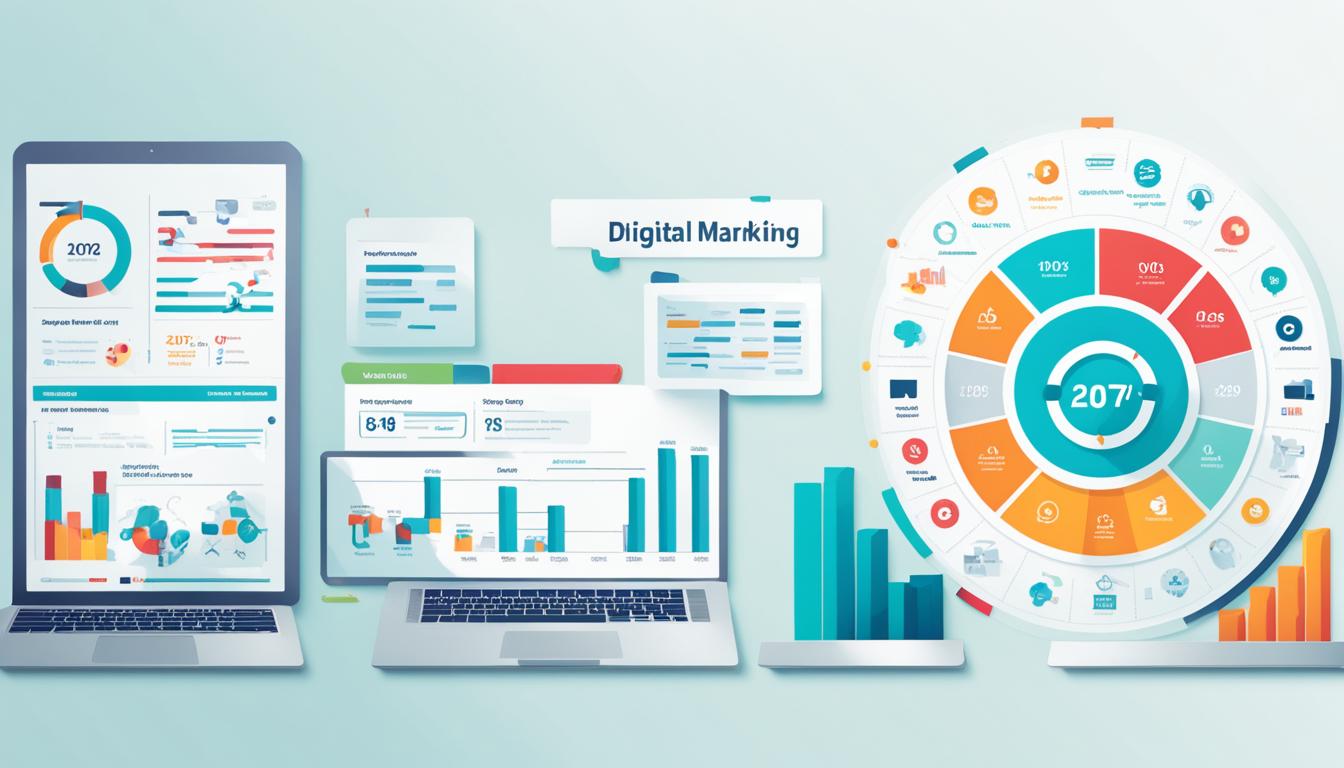
Digital marketing has witnessed a remarkable transformation over the years, with traditional marketing strategies transitioning to digital platforms. In today’s fast-paced digital landscape, businesses must adapt and optimize their online presence to stay competitive. This section explores the evolution of digital marketing and the integral role that SEO plays in this evolution.
With the rise of internet usage, consumers have shifted their attention to digital channels for information, entertainment, and shopping. As a result, businesses have had to realign their marketing strategies to leverage the power of digital platforms. From websites and social media to search engines and email campaigns, the digital marketing landscape has expanded significantly, opening new avenues for businesses to reach their target audience.
SEO (search engine optimization) has emerged as a critical component of successful digital marketing strategies. By optimizing their online content and websites, businesses can improve their visibility and enhance their chances of reaching potential customers. SEO focuses on improving search engine rankings, ensuring that businesses appear higher in search results when consumers search for relevant products or services.
The evolution of digital marketing has necessitated a shift in focus from traditional advertising to digital channels. Businesses now have access to a wealth of data and analytical tools that allow them to target their audience more effectively and measure the success of their marketing efforts. Additionally, digital marketing offers cost-effective options compared to traditional advertising, making it more accessible to businesses of all sizes.
In the words of Bill Gates, “The Internet is becoming the town square for the global village of tomorrow.”
SEO has played a significant role in shaping this evolution of digital marketing. By optimizing their websites and content, businesses can increase their visibility, attract organic traffic, and establish a strong online presence. SEO techniques, such as keyword research, on-page optimization, and link building, help businesses improve their search engine rankings, enabling them to reach a wider audience and generate more leads.
This image further illustrates the evolution of digital marketing and how SEO has become an essential aspect:
SEO History
In the ever-evolving world of digital marketing, Search Engine Optimization (SEO) has a rich history that traces back to the early days of the internet. Over the years, SEO techniques and strategies have evolved significantly, transforming the way websites are discovered and ranked on search engine results pages.
Let’s take a journey through the fascinating history of SEO, exploring the key milestones that have shaped its modern approach:
- Early Days: Keyword Stuffing and Meta Tags
In the early days of SEO, the focus was primarily on incorporating as many keywords as possible into web pages. This practice, known as “keyword stuffing,” aimed to manipulate search engine algorithms into ranking websites higher. Additionally, the use of meta tags, such as meta descriptions and meta keywords, played a significant role in communicating the content and relevancy of web pages to search engines. - Introduction of Algorithm Updates
To combat keyword stuffing and improve the accuracy of search results, search engines started introducing algorithm updates. These updates aimed to provide users with more relevant and high-quality content by penalizing websites that employed spammy or manipulative SEO practices. Notable algorithm updates, such as Google’s Penguin and Panda updates, revolutionized the SEO landscape. - Shift towards User-Centric Approach
As search engines became more sophisticated, the focus shifted from keyword-centric optimization to a user-centric approach. User experience (UX), high-quality content, and relevant information became key factors in SEO success. Websites that provided valuable, engaging, and user-friendly experiences gained prominence in search engine rankings. - Rise of Mobile Optimization
With the increasing usage of mobile devices, search engines started prioritizing mobile-friendly websites. Mobile optimization, including responsive design, faster loading times, and intuitive mobile experiences, became crucial for SEO success. Websites that failed to adapt to the mobile-first mindset risked losing visibility in search engine results.
“The evolution of SEO techniques and strategies reflects the ever-changing nature of digital marketing. What once focused on manipulation and keyword stuffing has transformed into a user-centric approach, emphasizing high-quality content and user experience.”
As search engine algorithms continue to evolve, staying up-to-date with the latest SEO trends and best practices has become essential. By understanding the history of SEO and its evolution, businesses can adapt their strategies to meet the demands of the modern digital landscape and ensure maximum online visibility.
The Significance of SEO in Digital Marketing
When it comes to digital marketing, SEO holds immense significance in today’s competitive online landscape. Implementing effective SEO strategies can help businesses improve their online visibility, reach their target audience, and drive organic traffic to their websites.
So, what makes SEO so important in the world of digital marketing? Let’s delve into some key aspects:
1. Improved Online Visibility
With the vast amount of content available on the internet, standing out from the crowd can be challenging. However, by optimizing your website with SEO techniques, you can enhance its visibility in search engine results. This means that when users search for relevant keywords or phrases, your website has a higher chance of appearing on the first page of results, increasing the likelihood of attracting valuable organic traffic.
2. Targeted Reach
SEO enables you to target specific audiences based on their search queries. By incorporating relevant keywords and optimizing your content, you can align your website with the interests and needs of your target audience. This allows you to reach potential customers who are actively searching for the products or services you offer, increasing the chances of converting them into paying customers.
3. Cost-Effective Solution
Compared to other digital marketing strategies, SEO offers cost-effective solutions for businesses of all sizes. While it requires time and effort to implement and maintain, the long-term benefits can outweigh the initial investment. By ranking higher in search engine results organically, businesses can reduce their reliance on paid advertising and generate consistent, sustainable traffic without constantly increasing their marketing budget.
4. Authority and Credibility
Users tend to trust websites that appear at the top of search engine results. By implementing SEO best practices, businesses can enhance their authority and credibility in their respective industries. This can be achieved by providing valuable and relevant content, optimizing user experience, and gaining high-quality backlinks from reputable sources. Building authority and credibility not only attracts more organic traffic but also fosters customer trust and loyalty.
5. Measurable Results and Insights
One of the key advantages of SEO is its ability to provide measurable results and valuable insights. Through analytics tools, businesses can track their website’s performance, monitor keyword rankings, analyze user behavior, and gain valuable insights into their target audience. This data-driven approach enables businesses to refine and optimize their SEO strategies, ensuring continuous improvement and staying ahead in the ever-evolving digital landscape.
Overall, SEO holds immense significance in digital marketing. By incorporating SEO into your overall marketing strategy, you can improve your website’s visibility, attract your target audience, and achieve long-term success in the competitive online world.
| Benefits of SEO in Digital Marketing | Advantages of SEO |
| Improved online visibility | Targeted reach |
| Increased organic traffic | Cost-effective solution |
| Enhanced brand authority and credibility | Measurable results and insights |
| Long-term sustainability |
The Impact of SEO on Online Visibility
SEO has a direct impact on the online visibility of a website. By optimizing various elements such as content, meta tags, and website structure, businesses can improve their chances of appearing higher in search engine rankings. This section will explore the ways in which SEO influences online visibility and the benefits it brings to businesses.
Improving Search Engine Rankings
One of the key impacts of SEO is its ability to boost a website’s search engine rankings. By implementing SEO best practices, businesses can optimize their websites to align with search engine algorithms, making their content more relevant and valuable to users. This optimization helps search engines recognize the website’s quality and authority, resulting in higher rankings in search results.
Increased Organic Traffic
SEO also plays a crucial role in driving organic traffic to a website. By appearing on the first page of search results, businesses can attract more users who are actively searching for information related to their products or services. This targeted traffic is more likely to convert into leads or customers, contributing to the growth and success of the business.
Enhanced User Experience
Another significant impact of SEO is its focus on improving the user experience on a website. By optimizing website structure, navigation, and loading speed, businesses can create a seamless and user-friendly browsing experience. This not only satisfies users but also improves the chances of visitors staying longer on the site, exploring more pages, and taking desired actions, such as making a purchase or filling out a contact form.
Building Brand Authority
SEO can also contribute to building brand authority and credibility. When a website consistently appears at the top of search results for relevant keywords, it establishes itself as a trusted and authoritative source in its industry. This visibility and recognition help to foster brand loyalty and attract more customers, ultimately leading to business growth and success.
| Impact of SEO on Online Visibility | Benefits |
| Improving search engine rankings | Increased organic traffic |
| Enhanced user experience | Building brand authority |
In conclusion, SEO has a significant impact on the online visibility of a website. By optimizing various elements and following SEO best practices, businesses can improve their search engine rankings, drive organic traffic, enhance user experience, and build brand authority. Investing in SEO is essential for businesses looking to thrive in the competitive digital landscape and achieve long-term success.
Effective SEO Strategies

Implementing effective SEO strategies is crucial to achieving success in digital marketing. By using the right techniques, you can improve your website’s visibility, increase organic traffic, and drive more conversions. In this section, we will outline various strategies and techniques that can help businesses improve their SEO performance and stay ahead of the competition.
| SEO Strategy | Description |
| Keyword Research | The foundation of any successful SEO campaign is thorough keyword research. By identifying the right keywords and search terms, you can optimize your website’s content and attract relevant traffic. |
| On-Page Optimization | Optimizing your website’s on-page elements, such as meta tags, headings, and content, is essential for improving search engine visibility. By following SEO best practices, you can ensure that your website is easily understood by search engines and users alike. |
| Link Building | Building high-quality backlinks from authoritative websites is an effective way to improve your website’s authority and visibility. By earning external links, you can signal to search engines that your website is trustworthy and relevant. |
| Mobile Optimization | With the rise of mobile devices, optimizing your website for mobile users is imperative. Mobile-friendly websites not only offer a better user experience but also receive a ranking boost in mobile search results. |
By incorporating these strategies into your SEO campaign, you can build a strong online presence, attract organic traffic, and achieve higher rankings in search engine results. Remember that SEO is an ongoing process, and staying up-to-date with industry trends and algorithm changes is crucial for long-term success.
Benefits of SEO
The benefits of SEO extend beyond just improved rankings. In this section, we will discuss the advantages that businesses can gain by investing in SEO. From increased organic traffic and higher conversion rates to enhanced brand visibility and long-term sustainability, SEO offers a multitude of benefits that can significantly impact business growth.
When you invest in SEO, you can expect the following benefits:
- Increased Organic Traffic: By optimizing your website for search engines, you can attract more organic traffic. This means that people searching for products or services related to your business will be more likely to find and visit your website.
- Higher Conversion Rates: SEO helps in targeting relevant keywords and creating high-quality content, which attracts users who are more likely to convert into customers. By providing valuable information and a seamless user experience, SEO can significantly improve conversion rates.
- Enhanced Brand Visibility: Ranking higher in search engine results pages increases your brand’s visibility. When your website consistently appears at the top of the search results, it builds trust and credibility, making users more likely to choose your brand over competitors.
- Long-Term Sustainability: Unlike paid advertising, SEO efforts have a lasting impact. Once you achieve high rankings and establish authority in your industry, it becomes easier to maintain your position. This long-term sustainability allows you to continually attract organic traffic without spending a significant amount on advertising.
- Better User Experience: SEO involves optimizing your website’s structure, navigation, and overall user experience. By providing a seamless and intuitive browsing experience, you can improve customer satisfaction and encourage repeat visits.
Investing in SEO can bring numerous benefits to your business, ranging from increased organic traffic to improved brand visibility. By understanding and leveraging these advantages, you can stay ahead of the competition and achieve long-term success in the digital landscape.
Now that we have explored the benefits of SEO, let’s take a closer look at current SEO trends and how they are shaping the digital marketing landscape.
Current SEO Trends
SEO is a dynamic field that constantly evolves. Staying updated with the latest trends and changes in SEO is crucial for businesses to remain competitive. Here are some of the current SEO trends:
- Voice Search Optimization: With the rise of voice assistants and smart speakers, optimizing for voice search has become essential. This involves tailoring your content to match the conversational style of voice queries and focusing on long-tail keywords.
- Mobile-First Indexing: As mobile usage continues to dominate, Google now prioritizes mobile-friendly websites in its search rankings. Optimizing your website for mobile devices is crucial for SEO success.
- Video SEO: Video content is gaining popularity, and optimizing videos for search engines can help increase visibility. This includes using relevant keywords in video titles, descriptions, and tags, as well as optimizing video file sizes for faster loading times.
- User Experience (UX) Optimization: Google considers user experience as a ranking factor. Optimizing your website for UX involves improving page load times, ensuring mobile responsiveness, and providing clear navigation.
By keeping up with these trends and adapting your SEO strategy accordingly, you can stay ahead in the ever-changing digital marketing landscape.
Current SEO Trends
In the dynamic field of SEO, staying updated with the latest trends is crucial for businesses to remain competitive in the digital marketing landscape. Here, we will explore the current SEO trends that are shaping the industry and influencing search engine rankings. By keeping up with these trends, you can optimize your website and stay ahead of the competition.
Voice Search
With the rise of virtual assistants like Siri, Google Assistant, and Alexa, voice search has become increasingly popular. People are using voice commands to search for information, products, and services. Optimizing your website for voice search involves tailoring your content to match the conversational tone of voice queries and focusing on long-tail keywords that mimic natural language.
Mobile-First Indexing
In today’s mobile-dominated world, mobile-first indexing has become a priority for search engines. Google now prioritizes mobile-friendly websites in its search results, meaning that having a responsive, mobile-optimized website is essential for SEO success. Make sure your website is fully responsive, loads quickly on mobile devices, and provides a seamless user experience.
User Experience
Search engines are increasingly prioritizing user experience as a ranking factor. Websites that provide a positive user experience, such as fast loading times, easy navigation, and relevant content, are more likely to rank higher in search results. Focus on optimizing your website’s design, layout, and functionality to enhance user experience and improve SEO performance.
| Trend | Description |
| Voice Search | With the rise of virtual assistants, optimizing for voice search is crucial. Tailor your content to match the conversational tone of voice queries and focus on long-tail keywords. |
| Mobile-First Indexing | As mobile usage continues to grow, search engines prioritize mobile-friendly websites. Ensure your website is responsive and provides a seamless mobile experience. |
| User Experience | Search engines value positive user experiences. Optimize your website’s design, navigation, and content to enhance user experience and improve SEO performance. |
These current SEO trends are shaping the digital marketing landscape and influencing the way websites are ranked on search engine results pages. By staying up to date with these trends and implementing the necessary optimizations, you can strengthen your SEO strategy and improve your online visibility.
Conclusion
In conclusion, SEO, with its full form being search engine optimization, has evolved significantly within the field of digital marketing. Understanding its history, significance, impact, effective strategies, benefits, and current trends will enable businesses to enhance their online visibility, attract organic traffic, and stay ahead in the competitive digital space.
By incorporating SEO into your digital marketing strategy, you can boost your website’s visibility, reach your target audience, and achieve long-term success. SEO plays a crucial role in improving your online presence, driving organic traffic, and increasing your chances of being found by users searching for relevant information or products.
Implementing effective SEO strategies, such as keyword research, on-page optimization, link building, and mobile optimization, can help you improve your SEO performance and achieve higher rankings on search engine results pages (SERPs). Additionally, investing in SEO offers a multitude of benefits, including increased organic traffic, higher conversion rates, enhanced brand visibility, and long-term sustainability.
Staying updated with the latest SEO trends, such as voice search, mobile-first indexing, and the importance of user experience, is essential to remain competitive in the digital marketing landscape. By continuously adapting and optimizing your SEO efforts, you can ensure that your website stays relevant and visible to your target audience, leading to greater success in your digital marketing endeavors.
FAQ
What does SEO stand for?
SEO stands for search engine optimization.
What is the full form of SEO?
SEO stands for search engine optimization.
How does SEO help improve website visibility?
SEO helps improve website visibility by optimizing various elements such as content, meta tags, and website structure to increase the chances of appearing higher in search engine rankings.
Why is SEO important in digital marketing?
SEO is important in digital marketing because it helps businesses improve their online visibility, reach their target audience, and drive organic traffic to their websites.
How has digital marketing evolved over the years?
Digital marketing has evolved significantly over the years, with traditional marketing strategies shifting to digital platforms. This evolution has made it essential for businesses to adapt and optimize their online presence.
What is the history of SEO?
The history of SEO dates back to the early days of the internet. It has evolved from basic keyword stuffing to the introduction of algorithm updates by search engines, which have shaped the modern approach to SEO.
What are the benefits of SEO?
The benefits of SEO include increased organic traffic, higher conversion rates, enhanced brand visibility, and long-term sustainability for businesses.
What are some effective SEO strategies?
Effective SEO strategies include keyword research, on-page optimization, link building, and mobile optimization, among others.
What are the current SEO trends?
Some current SEO trends include voice search, mobile-first indexing, and a focus on user experience.
How can businesses stay updated with the latest SEO trends?
Businesses can stay updated with the latest SEO trends by following industry blogs, attending conferences and webinars, and actively participating in professional networks.