


When it comes to small business SEO, understanding the key components is essential for improving your website’s search engine rankings and attracting more organic traffic. By implementing effective strategies for website optimization, keyword research, on-page optimization, and link building, you can enhance your small business’s online visibility and increase your chances of success.
Website Optimization
Website optimization plays a crucial role in small business SEO. It involves improving the technical aspects of your website to enhance its performance and user experience. Ensure that your website is mobile-friendly, has a fast loading speed, and features relevant and engaging content. By optimizing your website structure, navigation, and URLs, you can make it more search engine-friendly and user-friendly.
Keyword Research
Keyword research is a fundamental aspect of small business SEO. It involves identifying the keywords and phrases that your target audience is using to search for businesses like yours. Conducting thorough keyword research allows you to optimize your website content and meta tags with the most relevant and highly searched keywords. Choose keywords that have a good balance of search volume and competition to maximize your chances of ranking higher in search engine results pages.
On-Page Optimization
On-page optimization refers to optimizing the content on your web pages to make it more appealing to search engines. This includes incorporating your target keywords strategically throughout your content, headings, meta tags, and alt tags for images. Creating high-quality, informative, and engaging content that satisfies user search intent is key to successful on-page optimization.
Link Building
Link building is an essential component of small business SEO, as it helps build your website’s authority and credibility in the eyes of search engines. Focus on obtaining high-quality backlinks from reputable websites in your industry through guest blogging, collaborations, and outreach. These backlinks act as ‘votes of confidence’ and can significantly improve your website’s search engine rankings.
By understanding and implementing these key elements of small business SEO, you can establish a strong online presence, attract more targeted traffic, and ultimately, grow your business. Remember, SEO is an ongoing process that requires consistent effort and adaptation to stay ahead of the competition.
Next, we will delve into the process of crafting an effective SEO strategy specifically tailored to small businesses. We will explore the importance of setting goals, conducting competitor analysis, and optimizing for local search. Stay tuned!
Crafting an Effective SEO Strategy for Small Businesses
When it comes to small business SEO, having a well-crafted strategy can make all the difference in improving your online visibility and attracting more customers. Here are some key steps to help you develop an effective SEO strategy tailored to your small business.
1. Set Clear Goals
Before diving into SEO tactics, it’s essential to define your goals. What do you want to achieve with your SEO efforts? Is it to increase website traffic, boost online sales, or improve brand awareness? Clearly outlining your objectives will help you stay focused and measure the success of your SEO strategy.
2. Conduct Competitor Analysis
Analyze the SEO strategies of your competitors to identify areas where you can outperform them. Look for keywords they are targeting, the type of content they produce, and the websites that link to them. This analysis will provide valuable insights and help you develop a unique approach to stand out in your industry.
3. Optimize for Local Search
For small businesses, local search optimization is crucial. Make sure your website is optimized for local keywords and include location-specific information on your web pages. Claim and optimize your Google My Business listing and encourage customers to leave reviews. Local directories and online listings also play a significant role in enhancing your local search visibility.
4. Focus on On-Page Optimization
On-page optimization involves optimizing individual web pages to improve their search engine ranking. Start by optimizing your page titles, meta descriptions, and headings with relevant keywords. Ensure your content is well-structured, easy to read, and provides value to your target audience. Don’t forget to include internal links to improve website navigation.
5. Build Quality Backlinks
Building quality backlinks is an essential aspect of any SEO strategy. Seek opportunities to acquire backlinks from authoritative websites in your industry. Guest blogging, participating in industry-specific forums, and collaborating with influencers are effective ways to earn valuable backlinks.
Pro Tip: Quality is more important than quantity when it comes to backlinks. Focus on acquiring links from reputable sources rather than pursuing a high volume of low-quality links.
6. Monitor and Adapt
SEO is an ongoing process, and it’s crucial to continuously monitor your performance and adapt your strategy accordingly. Use SEO analytics tools to track your website’s rankings, organic traffic, and user behavior. Make data-driven decisions to refine your SEO tactics and stay ahead of the competition.
By following these steps and implementing an effective SEO strategy, your small business can improve its online visibility, attract more organic traffic, and ultimately drive growth. Remember, SEO optimization takes time and effort, so be patient and stay consistent with your strategy.
Tips for Optimizing Small Business Websites
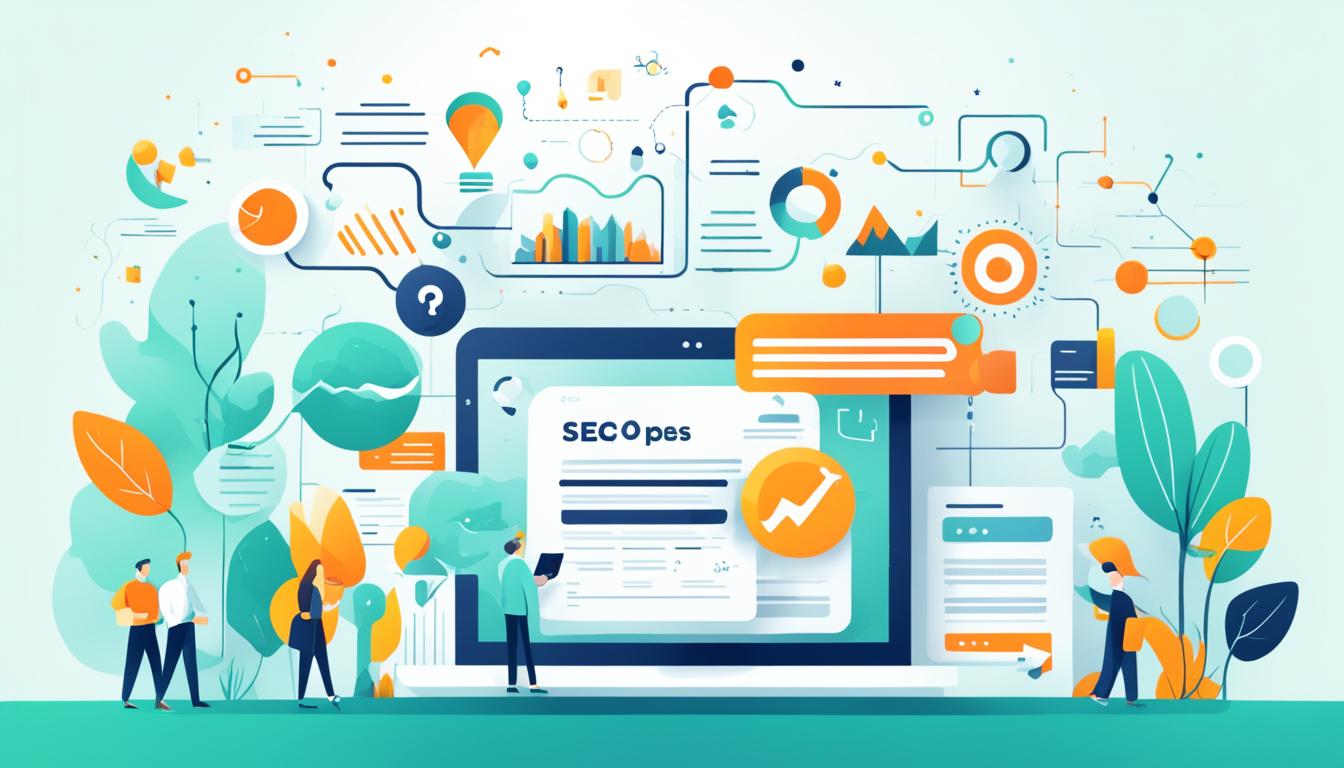
When it comes to small business SEO, optimizing your website is paramount for improving your online visibility and attracting more organic traffic. Here are some practical tips to help you optimize your small business website:
- Improve Site Speed: Slow-loading websites not only frustrate visitors but also negatively impact search rankings. Optimize your site speed by compressing images, minifying code, and leveraging browser caching. A fast-loading website enhances user experience and improves search engine performance.
- Optimize Site Structure: Ensure that your website has a clear and intuitive navigation structure. Organize your content into categories and subcategories, making it easy for both users and search engines to find and index your pages. A well-structured website improves user engagement and helps search engines understand your content hierarchy.
- Create Compelling Content: Develop high-quality, informative, and engaging content that resonates with your target audience. Conduct keyword research to identify relevant search terms and incorporate them naturally into your content. By providing valuable information, you can attract more visitors and improve your search rankings.
- Utilize Metadata: Metadata, such as meta titles and meta descriptions, play a crucial role in optimizing your website for search engines. Craft unique and compelling meta titles that accurately describe your web pages and include relevant keywords. Write concise and persuasive meta descriptions that entice users to click through to your website from the search results.
By implementing these tips, you can optimize your small business website to improve its performance in search engine rankings. Remember, small business SEO is an ongoing process, so monitor your website’s performance regularly and make adjustments as needed.
“Optimizing your small business website is a fundamental step in improving your online presence and attracting more organic traffic. By focusing on site speed, structure, content quality, and metadata, you can enhance user experience and boost your search engine rankings.”
Next, let’s explore how leveraging local SEO can further enhance your small business’s online visibility and tap into the potential of localized search.
Leveraging Local SEO for Small Businesses
When it comes to small business SEO, local optimization plays a crucial role in improving online visibility and attracting targeted customers. By implementing effective local SEO strategies, you can ensure that your business appears in local search results and captures the attention of potential customers in your area.
One of the first steps in leveraging local SEO is optimizing your Google My Business listing. This free tool allows you to showcase vital information about your business, including contact details, hours of operation, and customer reviews. By providing accurate and up-to-date information, you increase your chances of appearing in the coveted Google Local Pack, a prominent placement that can significantly boost your online visibility.
| Strategies for Optimizing Google My Business Listing: |
| 1. Claim and verify your listing. |
| 2. Provide complete and accurate information about your business. |
| 3. Encourage customers to leave positive reviews. |
| 4. Add relevant photos and videos to showcase your products or services. |
| 5. Regularly update your listing with business updates or special offers. |
Another aspect of local SEO is managing online reviews. Positive reviews not only enhance your business’s reputation but also signal to search engines that you are a trustworthy and reliable establishment. Encourage satisfied customers to leave reviews on platforms such as Google, Yelp, or industry-specific directories. Engaging with both positive and negative reviews in a professional and prompt manner shows potential customers that you value their feedback and are committed to providing exceptional service.
“Online reviews have a significant impact on consumers’ purchase decisions. By actively managing and responding to reviews, small businesses can build trust, establish credibility, and attract more customers.”
In addition to optimizing your online presence, targeting local keywords is essential. Incorporate location-specific keywords into your website content, page titles, meta descriptions, and headings to increase your chances of ranking higher in local search results. For example, if you run a bakery in New York City, including keywords like “best bakery in NYC” or “New York City pastry shop” can help you attract relevant traffic from people searching for bakery-related services in your area.
Key Strategies for Targeting Local Keywords:
- Research local search trends and popular keywords in your industry and area.
- Incorporate location-specific keywords naturally into your website content.
- Optimize your website’s meta tags, including titles and descriptions, with local keywords.
- Include your business’s address, phone number, and local keywords in the footer or contact page.
By leveraging local SEO strategies such as optimizing your Google My Business listing, managing online reviews, and targeting local keywords, you can enhance your small business’s online visibility, attract targeted customers, and gain an edge over competitors in your area.
Measuring SEO Success for Small Businesses

Tracking and measuring the success of your small business SEO efforts is essential to ensure that you are on the right track towards improving your online visibility and search engine rankings. By analyzing key performance indicators (KPIs) and utilizing analytics tools, you can gain valuable insights into the effectiveness of your SEO strategy and make data-driven decisions to optimize your website further.
Key Performance Indicators (KPIs) for Small Business SEO
When measuring SEO success, it’s important to focus on relevant metrics that align with your business goals. Here are some key performance indicators to consider:
- Organic Traffic: Monitor the number of visitors coming to your website through organic search results. Increasing organic traffic indicates improved online visibility and search engine rankings.
- Keyword Rankings: Track the positions of your target keywords in search engine results pages (SERPs). Higher rankings mean better visibility and increased chances of attracting organic traffic.
- Conversion Rate: Evaluate the percentage of website visitors who take desired actions, such as making a purchase, filling out a contact form, or subscribing to a newsletter. A higher conversion rate indicates effective SEO and a more engaged audience.
- Backlinks: Monitor the number and quality of backlinks pointing to your website. High-quality backlinks from authoritative websites can improve your website’s authority and search engine rankings.
- Bounce Rate: Measure the percentage of visitors who leave your website after viewing only one page. A lower bounce rate suggests that visitors find your website relevant and engaging.
Analytics Tools for Small Business SEO
Several analytics tools can help you measure and analyze your SEO performance. Here are a few popular options:
- Google Analytics: A free analytics tool that provides comprehensive website data, including traffic sources, user behavior, and conversion rates.
- Google Search Console: Offers insights into how your website appears in Google search results, identifies indexing issues, and provides performance data for specific keywords.
- Ahrefs: A powerful SEO tool that enables you to track keyword rankings, analyze competitor backlinks, and conduct comprehensive website audits.
- Moz: Provides a suite of SEO tools, including keyword research, site audits, and link analysis, to help you optimize your website and track SEO performance.
Analyzing SEO Success
Once you have established your KPIs and implemented analytics tools, it’s important to regularly analyze and interpret the data to make informed decisions. Consider the following strategies:
“Effective SEO measurement requires a holistic approach. Look beyond individual metrics and analyze the correlation between different data points. Identify patterns, trends, and areas for improvement.”
Compare your current performance to previous periods to identify improvements or potential issues. Pay attention to seasonal trends and industry benchmarks to gain a broader perspective. By regularly analyzing and adapting your SEO strategy based on data insights, you can continually optimize your online visibility and drive more relevant traffic to your small business website.
By effectively measuring the success of your small business SEO efforts, you can make data-driven decisions and refine your strategy to achieve better online visibility and attract more customers. The next section will explore advanced SEO techniques specifically designed to help small businesses outshine their competitors.
Outshining Competitors: Advanced SEO Techniques for Small Businesses
Now that you have a solid foundation in small business SEO, it’s time to take your strategy to the next level and outshine your competitors. By incorporating advanced SEO techniques, you can catapult your small business to the top of search engine rankings and increase online visibility. In this section, we will explore three key tactics: structured data markup, voice search optimization, and mobile responsiveness.
Structured Data Markup
In today’s digital landscape, search engines are constantly evolving to provide users with the best search experience. One way they achieve this is by displaying rich results, including snippets, knowledge panels, and carousels. Structured data markup helps search engines understand your website’s content and increases the likelihood of your business appearing in these enhanced search results.
To implement structured data markup, you can use schema.org, a collaborative project by major search engines. Schema.org provides a structured vocabulary of tags that you can add to your HTML to provide more context and information about your small business. By marking up elements such as business name, address, opening hours, customer reviews, and products, you can enhance your search engine visibility, improve click-through rates, and ultimately attract more potential customers.
Voice Search Optimization
Voice search is rapidly gaining popularity, with more and more people using virtual assistants like Siri, Alexa, and Google Assistant to find information. To stay ahead of the curve and capture the growing voice search market, optimizing your website for voice queries is crucial.
When it comes to voice search optimization, focus on long-tail keywords and conversational phrases. Unlike traditional search queries, voice searches tend to be more conversational in nature, often in the form of questions. By incorporating natural language and question-based content into your website, you can increase the chances of appearing in voice search results.
In addition, optimizing for local search is essential for small businesses. Ensure your website has complete and accurate business information, including your address, phone number, and business hours. This information greatly improves your chances of being featured in local voice search results, as users often use voice commands to find businesses near their current location.
Mobile Responsiveness
In today’s mobile-first world, having a mobile-friendly website is not just an option, but a necessity. With more users accessing the internet through mobile devices, search engines prioritize websites that provide a seamless mobile experience.
Mobile responsiveness refers to the design and functionality of your website across various screen sizes and devices. A mobile-responsive website automatically adapts its layout and content to fit different screen sizes, ensuring optimal user experience on smartphones and tablets.
To ensure your website is mobile-responsive, consider the following:
- Use a responsive website design that adjusts to different screen sizes.
- Optimize your website’s loading speed for mobile devices.
- Ensure clickable elements like buttons and links are easily tappable on smaller screens.
- Keep your content concise and easy to read on mobile devices.
By prioritizing mobile responsiveness, you can provide a positive user experience to visitors accessing your website via mobile devices and improve your chances of ranking higher in mobile search results.
| Advanced SEO Techniques | Description |
| Structured Data Markup | Improves search engine understanding and enhances appearance in rich results |
| Voice Search Optimization | Targets long-tail keywords and conversational phrases to optimize for voice queries |
| Mobile Responsiveness | Ensures website design and content are optimized for mobile devices |
Content Marketing and Small Business SEO
In today’s competitive digital landscape, content marketing plays a vital role in enhancing small business SEO. By creating high-quality, informative, and shareable content, businesses can improve their online visibility, attract organic traffic, and establish themselves as industry leaders. Here, we’ll explore the importance of content marketing and how it can support your small business SEO efforts.
The Power of High-Quality Content
When it comes to small business SEO, content is king. Search engines like Google prioritize websites that offer valuable and relevant content to users. By consistently delivering high-quality content, you can not only improve your website’s search engine rankings but also engage and retain your audience.
When creating content for your small business website, focus on addressing your target audience’s pain points, answering their queries, and providing actionable insights. By catering to their needs, you can establish yourself as a trusted resource, encouraging users to return to your website and share your content with others.
Additionally, incorporating relevant keywords in your content is crucial for small business SEO. By strategically including keywords related to your industry, products, or services, you can improve your website’s visibility in search engine results pages (SERPs).
The Benefits of Guest Blogging
One effective way to amplify your small business SEO efforts through content marketing is by guest blogging. Guest blogging involves writing and publishing articles on other reputable websites within your industry. By contributing valuable content to these platforms, you can expand your reach, attract new audiences, and build valuable backlinks to your website.
When approaching guest blogging opportunities, focus on websites that have high domain authority and receive significant traffic. This will help you enhance your online visibility and improve your website’s search engine rankings. Remember, the key to successful guest blogging lies in providing valuable insights and engaging content that aligns with the audience’s interests and needs.
Creating a Content Marketing Strategy
To maximize the benefits of content marketing for small business SEO, it’s essential to develop a comprehensive strategy. Consider the following steps:
- Identify your target audience and their pain points.
- Perform keyword research to uncover relevant topics and search terms.
- Create a content calendar to plan and organize your content production.
- Produce high-quality, informative, and shareable content.
- Promote your content through various channels, such as social media and email marketing.
- Monitor and analyze the performance of your content using analytics tools.
- Optimize your content based on the insights gained from analytics.
Conclusion
In conclusion, this comprehensive guide highlights the significance of small business SEO and provides actionable tips for success. By implementing these strategies, you can improve your website’s search rankings and increase online visibility.
Firstly, optimizing your website is crucial. Pay attention to factors such as site speed, site structure, and metadata. A well-optimized website can significantly improve your chances of ranking higher in search engine results.
Secondly, don’t underestimate the power of local SEO. Enhance your local visibility by creating a Google My Business listing, managing online reviews, and targeting local keywords.
Lastly, remember to track and measure your SEO efforts. Monitoring key performance indicators (KPIs) and using analytics tools will enable you to evaluate your progress and make necessary adjustments to your strategy.
With these tips and techniques, your small business can thrive in the competitive online landscape. Embrace the power of SEO to boost your search rankings, increase traffic, and achieve your online goals.
FAQ
What is small business SEO?
Small business SEO, or search engine optimization, refers to the strategies and techniques used to increase the online visibility and ranking of a small business’s website in search engine results. It involves optimizing the website’s content, structure, and links to attract organic traffic and improve search engine rankings.
Why is SEO important for small businesses?
SEO is crucial for small businesses because it helps improve online visibility, drives organic traffic to the website, and increases the chances of attracting potential customers. By implementing effective SEO strategies, small businesses can compete with larger competitors and reach their target audience more effectively.
What are some SEO tips for small businesses?
Some SEO tips for small businesses include conducting thorough keyword research, optimizing website content with relevant keywords, improving website speed and user experience, building high-quality backlinks, and optimizing for mobile devices. It is also important to create valuable and engaging content that resonates with the target audience.
How can small businesses improve their website SEO?
Small businesses can improve their website SEO by implementing various strategies such as optimizing meta tags, using descriptive URLs, creating informative and keyword-rich content, optimizing images with alt tags, improving website speed and user experience, and regularly updating and maintaining the website.
What is local SEO, and why is it important for small businesses?
Local SEO focuses on optimizing a business’s online presence to appear in localized search results. It is important for small businesses as it helps them target local customers and increase visibility in specific geographic areas. By optimizing Google My Business listings, managing online reviews, and targeting local keywords, small businesses can attract local customers and improve their online visibility.
How can small businesses measure SEO success?
Small businesses can measure SEO success by tracking key performance indicators (KPIs) such as organic traffic, keyword rankings, click-through rates, conversion rates, and bounce rates. By utilizing analytics tools like Google Analytics, small businesses can gain insights into the effectiveness of their SEO strategies and make data-driven decisions.
What are some advanced SEO techniques for small businesses?
Some advanced SEO techniques for small businesses include implementing structured data markup to enhance search engine visibility, optimizing for voice search by understanding user intent, ensuring mobile responsiveness for optimal user experience, and utilizing techniques like schema markup and rich snippets to stand out in search results.
How does content marketing support small business SEO?
Content marketing plays a vital role in small business SEO by providing valuable and relevant content that attracts and engages target customers. By incorporating keywords, creating shareable content, utilizing guest blogging opportunities, and promoting content through various channels, small businesses can improve their online visibility and attract organic traffic.