

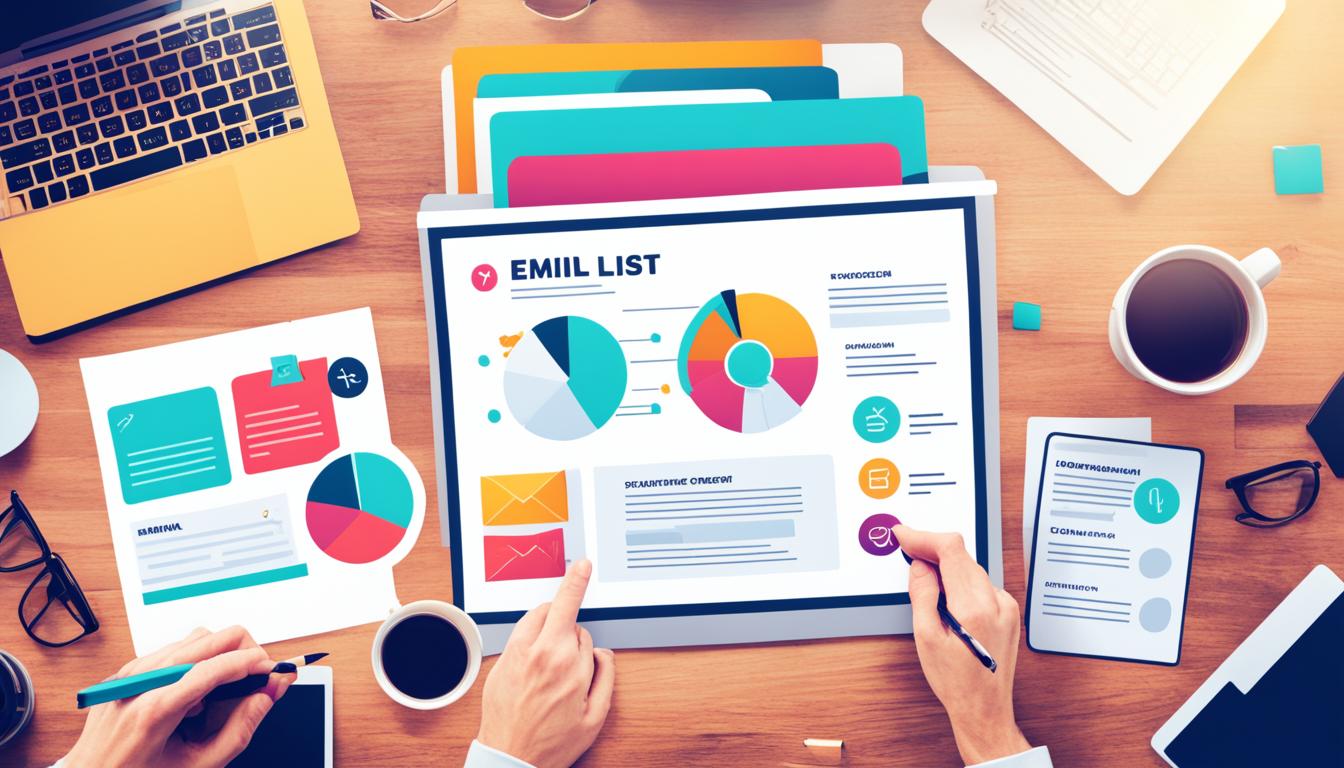
A well-defined email marketing strategy is the foundation of a successful campaign. It enables you to communicate effectively with your audience, nurture leads, and drive conversions. In this section, we will guide you through the step-by-step process of setting up your email marketing strategy to ensure maximum impact.
Defining Your Goals
Before you begin, it’s crucial to clearly define your goals. What do you hope to achieve with your email marketing efforts? Are you aiming to increase brand awareness, generate leads, or drive sales? By setting specific, measurable, achievable, relevant, and time-bound (SMART) goals, you can align your strategy with your desired outcomes.
Identifying Your Target Audience
Next, you need to identify your target audience. Who are you trying to reach with your emails? Develop buyer personas that reflect your ideal customers, considering factors such as demographics, interests, pain points, and purchasing behavior. Understanding your audience will help you create tailored content that resonates with them.
Creating a Content Plan
Once you know your goals and target audience, it’s time to create a comprehensive content plan. This plan should outline the types of emails you will send, the frequency of your emails, and the content you will include in each email. Consider incorporating a mix of promotional emails, informative newsletters, and engaging stories to keep your audience engaged and interested. Your plan should also include a consistent schedule to ensure regular communication with your subscribers.
Remember, the key to successful email marketing is delivering value to your subscribers. Your content should be relevant, informative, and engaging to build trust and establish credibility.
Choosing an Email Marketing Platform
To implement your email marketing strategy, you’ll need a reliable email marketing platform. Choose a provider that offers features such as list segmentation, automation, analytics, and customizable templates. Research different platforms to find one that aligns with your needs and budget.
Monitoring and Iterating
Once your strategy is in place, it’s essential to continuously monitor and iterate your email marketing efforts. Regularly analyze the performance of your campaigns, track key metrics such as open rates and click-through rates, and make adjustments based on the insights you gather. This iterative approach will help you optimize your strategy over time for better results.
Remember, setting up your email marketing strategy is just the beginning. The success of your campaigns lies in the execution and continuous refinement. In the next section, we will delve into the topic of building an email list, discussing effective strategies to grow your subscriber base.
Building an Email List
Your email list is the foundation of your email marketing campaigns. Without a solid and engaged subscriber base, your efforts will not yield the desired results. In this section, we will provide you with valuable email marketing tips for beginners on how to build an effective email list that will drive your business forward.
1. Opt-In Forms
A well-designed opt-in form can work wonders in capturing the attention of your website visitors and converting them into subscribers. Place opt-in forms strategically on your website and make it easy for visitors to subscribe by providing a compelling reason to do so.
2. Lead Magnets
Offering valuable content in exchange for email addresses is a popular and effective strategy to grow your email list. Create enticing lead magnets such as ebooks, guides, or exclusive content that your target audience will find irresistible. Promote these lead magnets across your marketing channels to attract more subscribers.
3. List Segmentation
Segmenting your email list allows you to deliver personalized and relevant content to different groups of subscribers. By tailoring your messages to specific segments, you can increase engagement and conversions. Segment your list based on demographics, purchase history, engagement level, or any other relevant criteria.
“Building an email list is the first step towards creating successful email marketing campaigns.”
To summarize, by implementing these email marketing strategies, you can steadily grow your email list and maximize the impact of your email marketing efforts. Check out the table below for a quick overview of the strategies discussed in this section:
| Strategy | Description |
| Opt-In Forms | Design and place opt-in forms strategically on your website to capture email addresses |
| Lead Magnets | Create valuable content offers to attract subscribers and encourage email sign-ups |
| List Segmentation | Divide your email list into segments to deliver personalized content to different groups |
Now that you have learned how to build an email list, it’s time to move on to the next section, where we will explore designing effective email campaigns that will engage your subscribers.
Designing Effective Email Campaigns

Creating visually appealing and engaging email campaigns is essential for capturing your audience’s attention. In this section, we will walk you through the process of designing effective email campaigns, from choosing templates to crafting compelling content.
Choose the Right Email Templates
When designing your email campaigns, it’s important to select the right templates that align with your brand and campaign goals. Templates provide a structure for your emails and can save you time and effort in creating a visually appealing design. Look for templates that are mobile-responsive, visually appealing, and customizable to match your brand identity.
| Benefits of Choosing the Right Templates | Example |
| Consistent branding across all emails | Take a look at this example of a well-branded email template: |
| Improved readability and user experience | A visually appealing email template makes it easier for recipients to read and engage with your content. |
| Time-saving with pre-designed layouts | Save time and effort by using pre-designed layouts that can be customized to suit your campaign needs. |
Create Compelling Email Content
Once you have chosen a template, it’s time to craft the content of your email. Keep in mind that your email should be informative, engaging, and provide value to your subscribers. Here are some tips to help you create compelling email content:
- Start with a catchy subject line that grabs attention
- Segment your audience and personalize your messages
- Use clear and concise language
- Incorporate visuals to enhance the visual appeal
- Add a clear call-to-action (CTA) to drive desired actions
- Optimize your email for mobile devices
“A strong subject line and personalized content can significantly increase open and click-through rates.” – Email Marketing Expert
A/B Testing for Optimization
To ensure the effectiveness of your email campaigns, it’s crucial to perform A/B testing. This involves creating two variations of the same email and testing different elements such as subject lines, content, visuals, and CTAs. By analyzing the results, you can identify which elements resonate best with your audience and optimize your campaigns accordingly.
Remember, designing effective email campaigns requires a combination of compelling visuals, captivating content, and continuous optimization. The key is to understand your audience’s preferences and provide them with valuable and engaging emails that drive desired actions.
Automating Your Email Marketing
Automating your email marketing can be a game-changer for your business. It not only saves you time and effort but also allows you to deliver personalized and timely messages to your subscribers. In this section, we will explore the power of email marketing automation and provide you with valuable tools and techniques to enhance your email marketing effectiveness.
When it comes to email marketing automation, there are various platforms and tools available that can streamline your workflow and boost your productivity. These tools often provide features like email scheduling, drip campaigns, segmentation, and personalization.
Benefits of Email Marketing Automation
- Saves time: With automation, you can set up your emails in advance, saving you precious time that can be allocated to other important tasks.
- Increases efficiency: Automation allows you to reach your subscribers at the right time, ensuring maximum impact and engagement.
- Personalization at scale: Automation tools enable you to send personalized messages to your subscribers, making them feel more valued and increasing the chances of conversion.
- Improved analytics: Most automation platforms provide detailed analytics and reporting, allowing you to track the performance of your campaigns and make data-driven decisions.
Now, let’s take a look at some popular email marketing automation tools and techniques:
Email Marketing Automation Tools
There are numerous email marketing automation tools available that cater to different needs and budgets. Here are a few popular ones:
| Tool | Key Features | Pricing |
| Mailchimp | Email scheduling, segmentation, automation workflows | Free plan available, paid plans starting at $9.99/month |
| ConvertKit | Drip campaigns, visual automation builder, landing pages | Pricing starts at $29/month |
| ActiveCampaign | Advanced automation, CRM integration, split testing | Pricing starts at $9/month |
Email Marketing Automation Techniques
When it comes to automation techniques, there are several strategies you can implement to optimize your email marketing campaigns:
- Segmentation: Divide your subscribers into relevant groups based on their interests, demographics, or purchase history. This allows you to send tailored content and offers to each segment, increasing engagement and conversions.
- Drip campaigns: Set up a series of automated emails that are sent out at predetermined intervals. Drip campaigns are ideal for nurturing leads, onboarding new subscribers, and sending personalized follow-ups.
- Personalization: Customize your emails with dynamic content, such as personalized product recommendations, based on subscriber behavior or preferences. This enhances the user experience and drives higher conversion rates.
By leveraging the right email marketing automation tools and implementing effective techniques, you can take your email marketing efforts to the next level. Stay tuned for the next section, where we will dive into measuring and analyzing your email performance.
Measuring and Analyzing Your Email Performance
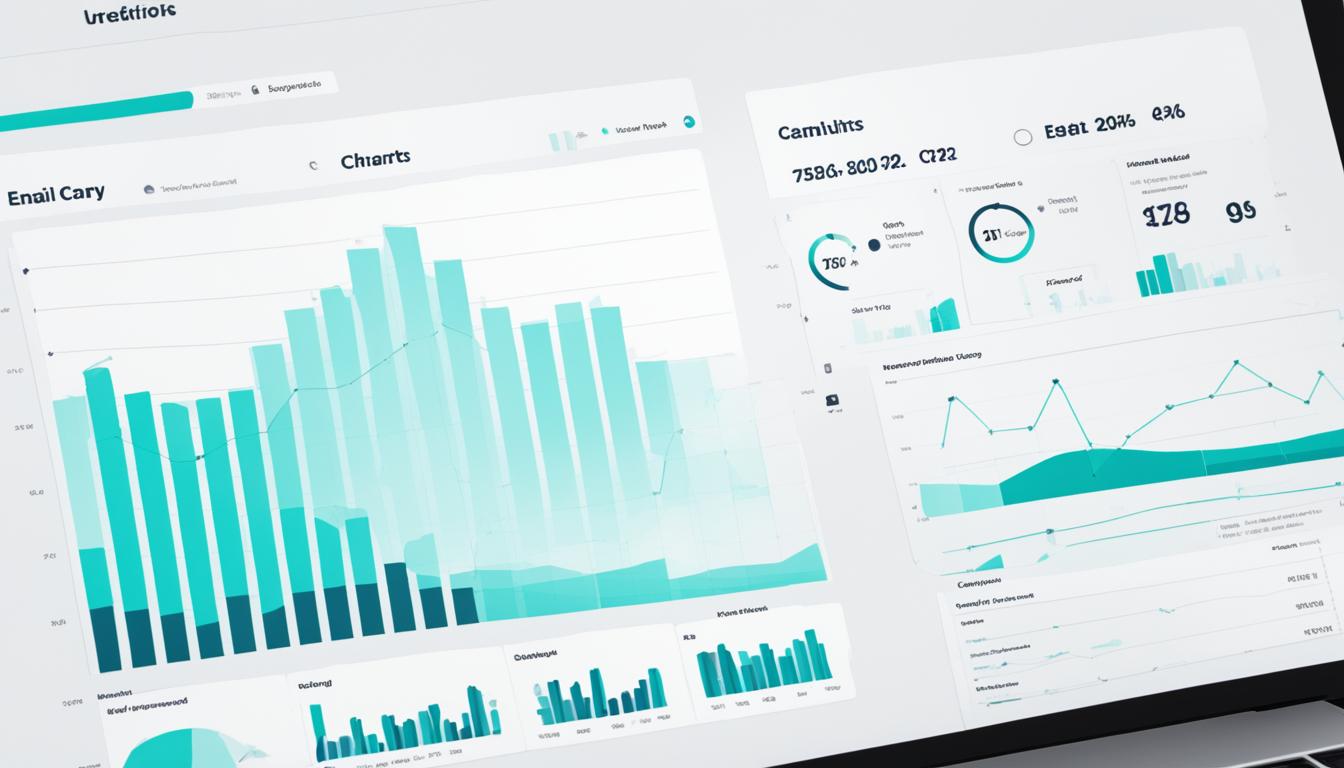
Tracking and analyzing the performance of your email campaigns is crucial to understand what works and what doesn’t. By monitoring key metrics and using analytics tools, you can gain valuable insights and make data-driven decisions to improve your email marketing performance. Here are some essential steps to guide you in measuring and analyzing the impact of your email campaigns:
1. Define your email marketing goals
Before diving into metrics, it’s important to clearly define your email marketing goals. Whether it’s increasing open rates, click-through rates, or conversion rates, having specific objectives in mind will help you focus your analysis and track the right metrics.
2. Monitor key performance indicators (KPIs)
Key performance indicators (KPIs) are essential metrics that indicate the success or effectiveness of your email campaigns. Here are some important KPIs to monitor:
| KPI | Description |
| Open rate | The percentage of recipients who open your emails |
| Click-through rate (CTR) | The percentage of recipients who click on a link in your emails |
| Conversion rate | The percentage of recipients who complete a desired action, such as making a purchase or filling out a form |
| Bounce rate | The percentage of emails that were not delivered successfully to recipients’ inboxes |
| Unsubscribe rate | The percentage of recipients who choose to unsubscribe from your emails |
3. Leverage analytics tools
To track and analyze your email marketing performance, you can use various analytics tools. These tools provide detailed reports and insights that can help you measure the effectiveness of your campaigns and identify areas for improvement. Some popular email marketing analytics tools include:
- Google Analytics: Integrate Google Analytics with your email marketing platform to track website traffic and conversions driven by your email campaigns.
- Email marketing platform analytics: Most email marketing platforms offer built-in analytics features that provide comprehensive data on email performance, including open rates, click-through rates, and more.
- Heatmap tools: Heatmap tools allow you to visualize the engagement of your email recipients by showing where they click and how far they scroll within your emails.
4. A/B testing
A/B testing is a powerful technique to optimize your email marketing performance. By testing different elements of your emails, such as subject lines, call-to-action buttons, or email designs, you can identify which variations resonate better with your audience and improve your campaign metrics.
“A/B testing is an invaluable strategy to refine your email marketing approach and optimize performance.” – Marketing Expert
By following these steps and consistently tracking and analyzing your email marketing performance, you can make data-driven decisions to enhance the effectiveness of your campaigns and achieve better results.
Engaging Your Subscribers and Building Relationships
Email marketing is more than just a promotional tool; it’s an opportunity to connect with your subscribers on a deeper level and nurture long-lasting relationships. By implementing effective strategies, you can engage your audience, build trust, and strengthen customer relationships. Here are some email marketing strategies to help you achieve just that:
1. Personalize Your Emails
Personalization is key to making your subscribers feel valued and understood. Use their names in the email content and tailor your messages based on their preferences, behaviors, and demographics. Send targeted emails that cater to their specific needs and interests, and watch how your engagement rates soar.
2. Segment Your Email List
Segmentation allows you to divide your email list into smaller groups based on various criteria, such as demographics, purchase history, or engagement level. By sending targeted messages to specific segments, you can deliver content that is highly relevant and resonates better with your subscribers, resulting in higher open and click-through rates.
3. Send Personalized Recommendations
Tap into the power of data and analytics to understand your subscribers’ preferences and behaviors. Use this information to send personalized product recommendations or relevant content based on their past interactions with your brand. By offering valuable recommendations, you can position yourself as a trusted advisor and keep your subscribers engaged.
4. Create Engaging Content
Compelling and relevant content is the cornerstone of email marketing success. Craft emails that not only promote your products or services but also provide value to your subscribers. This could include informative blog posts, how-to guides, or exclusive offers. Focus on delivering content that educates, entertains, and resonates with your audience.
5. Leverage Social Proof
Incorporate social proof into your email marketing strategy by showcasing testimonials, product reviews, or case studies from satisfied customers. This will help build trust and credibility, as well as encourage your subscribers to take action. People are more likely to engage with your brand when they see others having positive experiences.
“The power of email marketing is not just in the promotions but in the relationships you build with your subscribers.” – Emily Johnson, Marketing Manager
6. Encourage Feedback and Conversation
Invite your subscribers to share their thoughts, opinions, and feedback through interactive elements in your emails. This can include surveys, polls, or social media links. By actively encouraging conversation, you create a sense of community and make your subscribers feel like they are an important part of your brand.
7. Nurture Leads with Drip Campaigns
Drip campaigns are automated email series that deliver a sequence of targeted messages to nurture leads over time. Use drip campaigns to educate your subscribers, provide valuable resources, and guide them through the customer journey. By delivering relevant content at the right time, you can foster relationships and increase conversions.
8. Monitor and Analyze Your Results
Regularly monitor and analyze your email marketing metrics to understand what is working and what needs improvement. Pay attention to open rates, click-through rates, and conversions. Use this data to refine your strategies, test new approaches, and optimize your campaigns for maximum engagement.
Implementing these email marketing strategies will help you build strong customer relationships, foster loyalty, and drive business growth. Remember, successful email marketing is about connecting with your subscribers on a personal level and delivering value that goes beyond promotional content.
“Email marketing is not just about sending messages. It’s about building relationships and fostering trust.” – Sarah Thompson, Email Marketing Specialist
Conclusion
In conclusion, this beginner’s step-by-step guide has provided you with the necessary information to start with email marketing. By following these guidelines and implementing the strategies discussed in this article, you will be well on your way to running successful email marketing campaigns and achieving your business goals.
Remember, email marketing is a powerful tool for building strong customer relationships, generating leads, and driving revenue. With the basics in place, such as understanding the fundamentals of email marketing and setting up a solid strategy, you can begin building your email list and designing effective campaigns.
Don’t forget to leverage the power of automation to save time and deliver personalized messages to your subscribers. Regularly measure and analyze the performance of your email campaigns to optimize their effectiveness. Engage your subscribers by providing valuable content and nurturing leads to foster long-term customer relationships.
FAQ
How do I start with email marketing?
To start with email marketing, you will need to follow a few steps. Firstly, choose an email marketing platform that suits your needs. Next, define your goals and target audience. Then, build your email list by implementing opt-in forms and lead magnets. Finally, start creating and sending engaging email campaigns to connect with your subscribers.
What are the basics of email marketing?
The basics of email marketing include understanding and implementing best practices such as having a clean, opt-in email list, crafting compelling subject lines, creating visually appealing email templates, personalizing content, and analyzing the results of your campaigns.
How can I set up my email marketing strategy?
Setting up your email marketing strategy involves defining your goals, identifying your target audience, and creating a content plan. Start by determining what you want to achieve with your email marketing efforts. Then, segment your audience based on their interests and preferences. Finally, create a content calendar to plan and schedule your email campaigns.
What are some effective strategies for building an email list?
There are several strategies you can use to build your email list. These include placing opt-in forms on your website, offering lead magnets such as e-books or exclusive content, using pop-ups or slide-ins to capture visitors’ attention, and segmenting your list based on subscriber preferences.
How can I design effective email campaigns?
Designing effective email campaigns involves choosing visually appealing templates, writing compelling copy, using personalization, including relevant images or videos, and including a clear call to action. Test different elements to see what resonates with your audience and refine your campaigns based on the results.
How can I automate my email marketing?
Automating your email marketing can be done by using an email marketing platform that offers automation features. Set up triggered emails based on specific actions or events, such as welcome emails, abandoned cart reminders, or birthday greetings. Automation allows you to deliver personalized messages at the right time without manual intervention.
How do I measure and analyze my email performance?
To measure and analyze your email performance, track key metrics such as open rates, click-through rates, and conversion rates. Use email marketing analytics tools provided by your platform to gain insights into subscriber behavior and campaign effectiveness. Use this data to make data-driven decisions and optimize your email marketing strategy.
How can I engage my subscribers and build relationships?
To engage your subscribers and build relationships, focus on providing valuable content, personalizing your emails, segmenting your audience, and sending targeted offers or promotions. Encourage interaction by including surveys or asking for feedback. Use email marketing as a tool to nurture leads and build trust with your subscribers.