


To run a successful PPC campaign, it’s important to follow a systematic process. In this section, we’ll break down the steps involved in setting up and managing a PPC campaign. From keyword research to ad creation and campaign optimization, we’ll guide you through each stage of the process.
Step 1: Keyword Research
Keyword research is the foundation of a successful PPC campaign. Begin by identifying relevant keywords that are likely to be used by your target audience when searching for products or services similar to yours. Use keyword research tools to explore search volume, competition, and potential costs.
Step 2: Campaign Structure
Create a well-organized campaign structure that aligns with your business goals. Segment your ad groups based on specific themes or categories to ensure better ad relevance. This allows for more targeted messaging and improved click-through rates.
Step 3: Ad Creation
Craft compelling and engaging ads that resonate with your target audience. Use attention-grabbing headlines, persuasive ad copy, and relevant ad extensions. Incorporate your chosen keywords into the ad text to improve relevancy and quality scores.
Step 4: Landing Page Optimization
Optimize your landing pages to ensure a seamless user experience and encourage conversions. Align the content and messaging on your landing page with the ad that drove the visitor to it. Focus on strong call-to-actions, clear value propositions, and relevant content.
Step 5: Campaign Monitoring and Optimization
Regularly monitor the performance of your PPC campaign and make data-driven optimizations. Analyze key metrics such as click-through rates, conversion rates, and return on ad spend. Adjust bids, pause underperforming keywords or ads, and test new ad variations to improve campaign performance.
Step 6: Conversion Tracking and Analytics
Implement conversion tracking to measure the success of your PPC campaigns. Set up goals and tracking codes to monitor conversions on your website. Utilize analytics tools to gain insights into user behavior, demographics, and other valuable data that can inform your strategy.
Step 7: Continuous Testing and Iteration
Don’t settle for mediocre results. Continuously test different elements of your PPC campaign, such as ad copy, landing page variations, and targeting options. Use A/B testing to compare performance and make data-driven decisions to optimize your campaigns further.
Step 8: Budget Allocation
Allocate your budget strategically across your PPC campaigns. Monitor costs per click, conversion rates, and overall return on investment. Adjust your budget allocation based on performance and prioritize campaigns that are delivering the best results.
The table below summarizes the steps involved in the PPC campaign process:
| Step | Description |
| Keyword Research | Identify relevant keywords for targeting |
| Campaign Structure | Create a well-organized campaign structure |
| Ad Creation | Craft compelling and relevant ads |
| Landing Page Optimization | Optimize landing pages for conversions |
| Campaign Monitoring and Optimization | Analyze and optimize campaign performance |
| Conversion Tracking and Analytics | Measure conversions and gain insights |
| Continuous Testing and Iteration | Test and improve campaign elements |
| Budget Allocation | Strategically allocate budget across campaigns |
Developing a PPC Strategy
A well-defined PPC strategy is crucial for achieving desired results. To navigate pay per click ads effectively and maximize your advertising efforts, it’s important to understand the key components of a successful PPC strategy. By incorporating these insights into your pay per click management, you can optimize your campaign and drive meaningful results.
Understanding Your Target Audience
One of the first steps in developing a PPC strategy is understanding your target audience. By identifying the demographics, interests, and behaviors of your potential customers, you can tailor your ad campaigns to reach the right people at the right time. Invest time in market research and utilize analytics tools to gain valuable insights into your audience’s preferences and online behavior.
Selecting the Right Keywords
The foundation of a successful PPC campaign lies in selecting the right keywords. Thorough keyword research will help you identify the terms and phrases your target audience is searching for. Consider the relevance, search volume, and competition level of each keyword to ensure you’re targeting the most valuable opportunities. Use keyword research tools and analyze competitor campaigns to refine your keyword selection further.
Crafting Compelling Ad Copy
Creating engaging and persuasive ad copy is essential to capture your audience’s attention and drive clicks. Optimize your ad headlines and descriptions by incorporating relevant keywords and highlighting unique selling points. Experiment with different messaging and calls to action to find what resonates best with your target audience. Remember to communicate your value proposition clearly and concisely to compel users to click on your ads.
Pro Tip: Don’t forget to include a strong call to action in your ad copy, such as “Shop now,” “Learn more,” or “Request a quote.” This will encourage users to take immediate action and increase the chances of conversion.
Constant Monitoring and Optimization
PPC management is an ongoing process that requires continuous monitoring and optimization. Regularly review the performance of your ads and make data-driven adjustments to improve their effectiveness. Test different ad variations, landing pages, and targeting options to uncover what drives the best results. Keep a close eye on your ad spend and adjust bids and budgets accordingly to maximize your return on investment.
To effectively navigate pay per click ads and achieve your advertising goals, it’s crucial to develop a well-rounded PPC strategy that aligns with your business objectives and target audience. By understanding your audience, selecting the right keywords, crafting compelling ad copy, and optimizing your campaigns, you can drive meaningful results and succeed in the competitive world of PPC advertising.
Key Components of a Successful PPC Strategy
| Components | Benefits |
| Understanding Your Target Audience | – Tailor ads to reach the right people – Improve targeting precision – Increase engagement and conversions |
| Selecting the Right Keywords | – Target relevant search terms – Increase ad visibility – Enhance click-through rates |
| Crafting Compelling Ad Copy | – Capture users’ attention – Communicate unique selling points – Increase click-through rates |
| Constant Monitoring and Optimization | – Improve ad performance – Maximize return on investment – Stay competitive in the market |
By incorporating these key components into your PPC strategy, you can navigate pay per click ads with confidence and achieve your advertising objectives.
Bidding on PPC Ads

One of the key components of a successful PPC advertising campaign is the bidding process. Bidding determines how much you’re willing to pay for each click on your ad. By understanding the pay per click bidding process, you can optimize your bid amounts and maximize the effectiveness of your ads.
When it comes to PPC advertising, Google AdWords is a popular platform that offers extensive bidding options and controls. To help you navigate the bidding process, we’ve prepared a comprehensive Google AdWords tutorial that will guide you step-by-step. With this tutorial, you’ll gain valuable insights into using AdWords for your PPC advertising strategy.
Google AdWords is a powerful tool for managing and optimizing your PPC ads. With its bidding features and targeting options, you can reach your desired audience and achieve your advertising goals effectively.
Optimizing your bid amounts is crucial for getting the most out of your PPC advertising budget. By strategically adjusting your bids, you can improve your ad position, increase visibility, and drive more targeted traffic to your website. Our guide on ppc advertising strategy will provide you with valuable tips and strategies to optimize your bidding process and improve the overall performance of your PPC campaigns.
Now, let’s take a look at the bidding process in more detail.
Bidding Process Explained
When you set up a PPC campaign, you’ll enter a bidding process where you specify the maximum amount you’re willing to pay for each click on your ad. This bid amount represents the highest price you’re willing to pay in order to display your ad when someone searches for a relevant keyword or visits a website that matches your ad targeting criteria.
It’s important to note that the bid you set is not necessarily the amount you’ll pay for each click. The actual cost per click (CPC) may vary depending on several factors, such as the competitiveness of the keyword, quality score, and ad rank. Google AdWords employs a competitive auction system, where multiple advertisers compete for ad placements, and the highest bidder with the highest ad quality typically secures the top position.
| Bidding Strategies | Description |
| Manual CPC Bidding | Allows you to set individual bids for each keyword or ad group, giving you precise control over your bidding strategy. |
| Automatic CPC Bidding | Enables Google’s algorithms to automatically adjust your bids based on historical data and other factors, optimizing your campaign performance. |
| Enhanced CPC Bidding | Enhances your manual bids by adjusting them in real-time based on the likelihood of a conversion, maximizing your chances of getting valuable clicks. |
These are just a few examples of bidding strategies available on Google AdWords. The choice of which strategy to use depends on your campaign objectives, budget, and level of control you want to maintain.
By understanding the pay per click bidding process and implementing effective bidding strategies, you can drive high-quality traffic to your website and achieve better results with your PPC advertising efforts.
Now that you’re familiar with the bidding process, it’s time to explore the next step in our comprehensive guide – conversion tracking and analytics. Understanding how to track conversions and analyze your campaign performance will enable you to make data-driven decisions and further optimize your PPC ads.
Conversion Tracking and Analytics
Tracking conversions and analyzing campaign performance is essential for measuring the success of your PPC efforts. In this section, we’ll explore conversion tracking methods and discuss best practices for optimizing your PPC ads.
Why Conversion Tracking Matters
Conversion tracking allows you to identify which actions on your website or landing pages lead to valuable customer interactions, such as purchases, form submissions, or email sign-ups. By implementing conversion tracking, you gain valuable insights into the effectiveness of your PPC campaigns and can make data-driven decisions to improve your results.
It’s important to set up conversion tracking properly to ensure accurate data collection. Platforms like Google Ads offer conversion tracking tools that allow you to measure the performance of specific goals and actions on your website. By tracking conversions, you can determine which keywords, ads, or landing pages are driving the most valuable customer interactions.
Best Practices for Optimizing PPC Ads
To enhance the performance of your PPC ads, it’s crucial to implement best practices that increase their effectiveness. Here are some tips to optimize your PPC ads:
- Keyword Research: Select relevant keywords that align with your target audience’s search intent. Use keyword research tools to identify high-value keywords with lower competition.
- Compelling Ad Copy: Craft engaging and persuasive ad copy that highlights your unique value proposition and encourages users to click on your ads.
- Relevant Landing Pages: Ensure that your landing pages align with the ad copy and provide a seamless user experience. Optimize landing pages for faster load times and mobile responsiveness.
- A/B Testing: Experiment with different versions of your ads to identify which variations perform better. Test elements like headlines, call-to-action phrases, and images to optimize ad performance.
- Ad Extensions: Utilize ad extensions to provide additional information and increase the visibility of your ads. Extensions like site links, callouts, and structured snippets can help improve ad performance.
Monitoring and Analyzing Campaign Performance
Once your PPC campaigns are live, continuous monitoring and analysis of their performance are crucial. Here are some key metrics to track and analyze:
- Click-Through Rate (CTR): The percentage of users who click on your ads after seeing them. A higher CTR indicates better ad relevance and can lead to improved campaign performance.
- Conversion Rate: The percentage of users who complete a desired action, such as making a purchase or submitting a form, after clicking on your ads. Monitoring the conversion rate helps you understand the effectiveness of your campaigns in driving valuable interactions.
- Quality Score: A metric used by platforms like Google Ads to assess the relevance and quality of your ads, keywords, and landing pages. A higher quality score can result in lower costs and better ad rankings.
- Return on Ad Spend (ROAS): The revenue generated from your ads compared to the amount spent on advertising. By calculating your ROAS, you can determine the profitability of your PPC campaigns.
Regularly analyze these metrics and use the insights gained to optimize your PPC campaigns. Make data-driven decisions by adjusting keywords, ad copy, landing pages, and targeting parameters to maximize your return on investment (ROI).
By implementing conversion tracking and following best practices for optimizing your PPC ads, you can measure the success of your campaigns and make the necessary adjustments to improve your results. Monitoring and analyzing campaign performance is key to driving targeted traffic, increasing conversions, and achieving your online marketing goals.
Managing and Optimizing Your PPC Campaigns
Running a successful PPC campaign is more than just setting it up and letting it run. It requires continuous management and optimization to maximize your return on investment. In this section, we’ll provide you with essential tips and techniques for effectively managing and optimizing your PPC campaigns.
1. Budget Allocation
One of the key aspects of managing your PPC campaign is allocating your budget effectively. Determine how much you’re willing to spend on each campaign, ad group, and keyword. Monitor your spending regularly and adjust your budget allocation based on the performance of each element.
2. Ad Testing
Continuous ad testing is crucial for optimizing your PPC campaigns. Test different ad variations to identify which ones resonate best with your target audience. Experiment with different headlines, copy, and visuals to find the winning combination that drives higher click-through rates and conversions.
3. Performance Analysis
Regularly monitor the performance of your PPC campaigns using analytics tools. Analyze key metrics such as click-through rates, conversion rates, and cost per click to identify areas for improvement. Use the data to make data-driven decisions and optimize your campaigns for better results.
4. Keyword Optimization
Optimizing your keywords is crucial for reaching your target audience effectively. Continuously review and refine your keyword list, adding relevant keywords and eliminating those that aren’t performing well. Use keyword research tools to identify new opportunities and stay ahead of the competition.
5. Quality Score Improvement
The quality score assigned to your ads by search engines can significantly impact your PPC campaign’s performance. Focus on improving your ad relevancy, landing page experience, and click-through rates to boost your quality score. This can lead to higher ad rankings and lower costs per click.
6. Conversion Tracking
Implement conversion tracking on your website to measure the effectiveness of your PPC campaigns. Track actions such as purchases, form submissions, and newsletter sign-ups to gain valuable insights into your campaign’s performance. Use this data to optimize your campaigns and improve conversion rates.
| PPC Management Techniques | Benefits |
| Continuous campaign monitoring | – Ensures campaign performance remains aligned with goals – Allows for proactive adjustments to optimize results |
| A/B testing of ad variations | – Identifies high-performing ad elements – Improves click-through rates and conversions |
| Data-driven decision making | – Maximizes ROI by using analytics to inform campaign adjustments – Enhances targeting, ad placement, and budget allocation |
| Keyword optimization | – Targets the most relevant keywords for your business – Improves ad visibility and click-through rates |
| Ad relevancy and quality score improvement | – Increases ad rankings and lowers costs per click – Enhances overall campaign performance |
| Conversion tracking and analysis | – Measures campaign effectiveness and ROI – Guides optimization efforts to improve conversions |
By implementing these techniques and continuously optimizing your PPC campaigns, you’ll be able to drive targeted traffic, increase conversions, and achieve your marketing objectives. Remember, managing and optimizing your PPC campaigns is an ongoing process that requires regular attention and adjustment. Stay proactive and adapt to the ever-changing digital landscape to stay ahead of the competition.
Benefits of Pay Per Click Advertising
Pay per click advertising offers numerous benefits for businesses of all sizes. By understanding how PPC advertising works and following a step-by-step approach, you can leverage this powerful marketing strategy to drive targeted traffic, increase brand visibility, and achieve measurable ROI. Here are some key advantages that PPC can bring to your online marketing strategy:
- Increased Brand Visibility: With PPC advertising, your ads appear prominently on search engine results pages (SERPs), giving your brand increased exposure to relevant users searching for products or services related to your business. This heightened visibility helps you establish a strong online presence and attract potential customers.
- Targeted Audience Reach: PPC allows you to target specific keywords, demographics, locations, and even time of day to reach your ideal audience. By understanding your target market and tailoring your PPC campaigns accordingly, you can ensure that your ads are seen by the right people at the right time, increasing the chances of conversions and maximizing your advertising budget.
- Measurable ROI: One of the biggest advantages of PPC advertising is its measurability. Unlike traditional marketing methods, PPC provides detailed insights into the performance of your campaigns. You can track key metrics such as click-through rates (CTRs), conversion rates, and cost per acquisition (CPA) to measure the effectiveness of your ads and make data-driven decisions to optimize your campaigns for better results.
Implementing a strategic and well-executed PPC campaign can yield significant benefits for your business. By effectively managing your ads, targeting the right audience, and constantly optimizing your campaigns based on performance data, you can drive qualified traffic to your website, generate leads, and increase your sales and revenue.
Success Story: XYZ Company
“PPC advertising has been a game-changer for our business. Being able to reach our target audience with precision and measure the performance of our ads has allowed us to optimize our marketing efforts and achieve exceptional results. In just three months of running PPC campaigns, we saw a 35% increase in website traffic and a 20% boost in conversions. It’s a marketing strategy we highly recommend to any business looking for quick and measurable growth.”
John Smith, CEO of XYZ Company
Are you ready to harness the power of pay per click advertising? In the next section, we’ll provide you with a comprehensive guide on implementing effective PPC best practices to ensure the success of your campaigns.
Implementing Effective PPC Best Practices
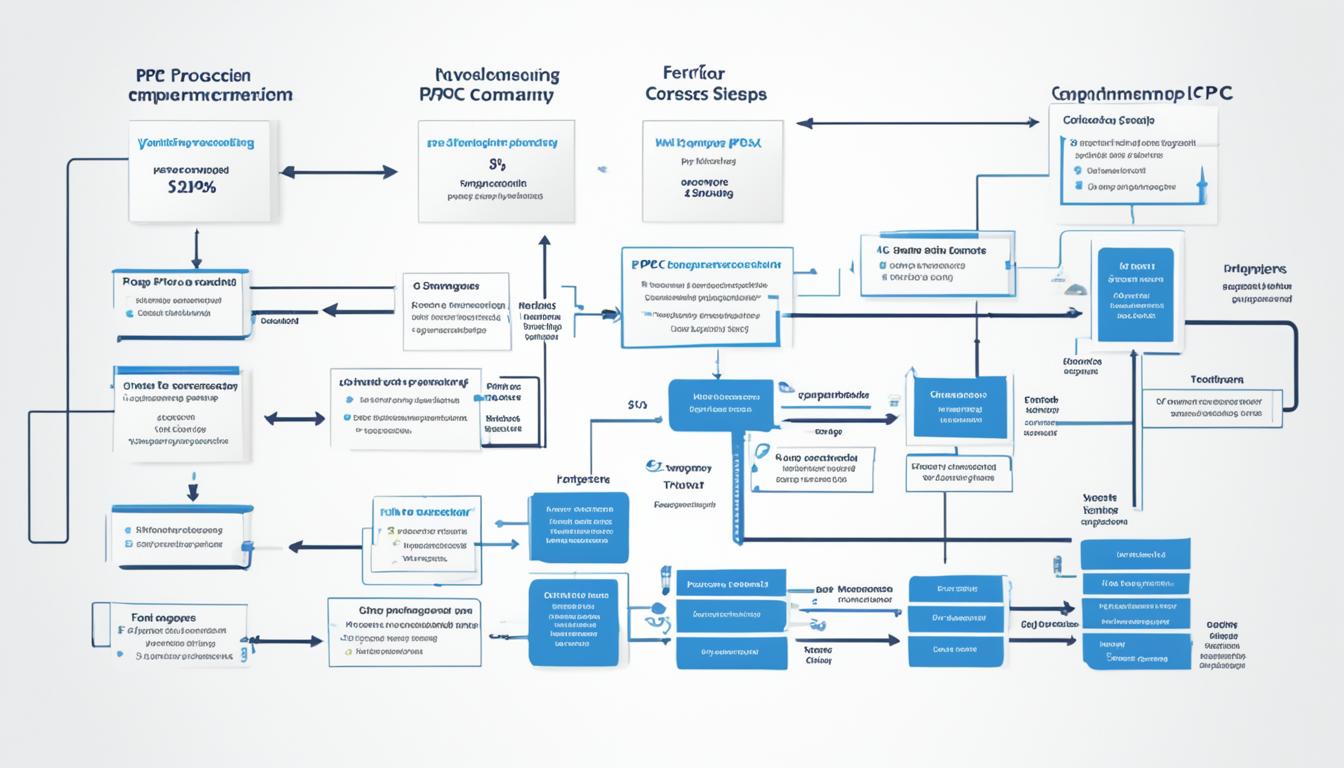
To ensure the success of your PPC campaigns, it’s crucial to follow industry best practices. Implementing these guidelines will help you optimize your campaigns, drive targeted traffic, and achieve your marketing objectives. In this section, we’ll outline the essential steps and strategies for implementing effective PPC campaigns.
1. Define Your PPC Campaign Goals
The first step in any successful PPC campaign is to clearly define your goals. Are you looking to increase brand awareness, generate leads, or drive sales? Defining your objectives will help you structure your campaign and tailor your strategies accordingly.
2. Conduct Thorough Keyword Research
Keyword research is a critical aspect of any PPC campaign. Use keyword research tools, such as Google Keyword Planner, to identify relevant keywords that align with your business and target audience. Focus on both high-traffic keywords and long-tail keywords to maximize your reach.
3. Create Compelling Ad Copy
Writing persuasive ad copy is essential for capturing the attention of your target audience and driving clicks. Craft compelling headlines, concise descriptions, and impactful calls-to-action (CTAs) that entice users to click on your ads. A/B testing different ad variations can help you determine which copy performs best.
4. Optimize Landing Pages
Optimizing your landing pages is crucial for increasing conversions. Ensure that your landing pages are relevant to the keywords and ad copy, provide a clear value proposition, and have user-friendly layouts. Focusing on page load speed and mobile responsiveness is also important for a positive user experience.
5. Monitor and Analyze Campaign Performance
Regularly monitor and analyze your campaign performance to identify areas for improvement. Pay attention to metrics like click-through rates (CTR), conversion rates, and return on ad spend (ROAS). Tools like Google Analytics and PPC platforms’ built-in analytics can provide valuable insights into your campaign’s effectiveness.
6. Continuously Optimize Your Campaign
PPC campaigns require ongoing optimization to stay competitive and drive results. Test different ad variations, adjust bids based on performance, and refine your targeting. Stay up-to-date with industry trends and adapt your strategies accordingly to maintain a successful campaign.
Pro Tip: Always keep your target audience in mind and align your PPC strategies with their needs and preferences. Understanding their pain points and motivations will help you create more impactful campaigns.
By implementing these best practices, you can maximize the effectiveness of your PPC campaigns and achieve your marketing goals. Stay proactive, adapt to changes, and continuously optimize your strategies to stay ahead in the competitive PPC landscape.
| PPC Best Practices | Description |
| Define Your PPC Campaign Goals | Clearly define your objectives to align your strategies. |
| Conduct Thorough Keyword Research | Identify relevant keywords that resonate with your target audience. |
| Create Compelling Ad Copy | Craft persuasive ad copy to captivate users and drive clicks. |
| Optimize Landing Pages | Create landing pages that align with your ads and provide a seamless user experience. |
| Monitor and Analyze Campaign Performance | Regularly track and analyze metrics to make informed campaign decisions. |
| Continuously Optimize Your Campaign | Adapt your strategies based on performance and industry trends. |
Conclusion
In conclusion, pay per click (PPC) advertising is a powerful tool that can drive targeted traffic and increase conversions for your online marketing efforts. By understanding the fundamentals of PPC and following a step-by-step approach, you can effectively implement this strategy to achieve your business goals.
Throughout this article, we have explored how PPC advertising works, from the basics of the cost per click model to the process of developing a PPC strategy. We have discussed the importance of conducting thorough keyword research, creating compelling ad copy, and optimizing your campaigns for maximum performance.
By implementing best practices such as conversion tracking, ongoing campaign management, and bid optimization, you can continuously improve the effectiveness of your PPC campaigns. The ability to measure your return on investment (ROI) and make data-driven decisions is a key advantage of PPC advertising.
In conclusion, PPC advertising offers a targeted and measurable approach to online marketing. By investing time and effort into understanding the intricacies of PPC, you can harness its power to drive valuable results for your business.
FAQ
How does pay per click advertising work?
Pay per click advertising is a model where advertisers pay a certain amount each time their ad is clicked. Advertisers bid on specific keywords, and their ads are displayed on search engine results pages (SERPs) and other digital platforms when users search for those keywords. When a user clicks on an ad, the advertiser is charged for that click.
What is the purpose of pay per click marketing?
The purpose of pay per click marketing is to drive targeted traffic to a website and increase conversions. By targeting specific keywords and displaying ads to users who are searching for relevant products or services, advertisers can reach their target audience effectively and generate qualified leads.
How do I create a successful PPC ad campaign?
Creating a successful PPC ad campaign involves several steps. First, conduct thorough keyword research to identify relevant keywords for your business. Then, create compelling ad copy that is tailored to your target audience. Set a bid strategy that aligns with your campaign goals, and monitor and optimize your campaign regularly to improve performance and maximize ROI.
What are the key components of a PPC strategy?
The key components of a PPC strategy include understanding your target audience, conducting comprehensive keyword research, creating compelling ad copy, setting budget and bid strategies, and continuously monitoring and optimizing your campaigns. It’s also important to track conversions and analyze campaign performance to make data-driven decisions for improvements.
How does the bidding process work in PPC advertising?
In PPC advertising, the bidding process involves advertisers competing for ad placement by bidding on specific keywords. Advertisers set a maximum bid, which represents the maximum amount they are willing to pay for a click on their ad. The position of the ad is determined by factors such as bid amount, ad quality, and relevance to the search query.
Why is conversion tracking and analytics important in PPC?
Conversion tracking and analytics are crucial for measuring the success of your PPC campaigns. By tracking conversions, you can determine the number of leads or sales generated from your ads. Analytics provide insights into campaign performance, helping you identify areas for improvement and make data-driven decisions to optimize your campaigns.
How do I manage and optimize my PPC campaigns?
Managing and optimizing your PPC campaigns involves several steps. Continuously monitor your campaigns, adjust bid amounts, and optimize your ad copy based on performance. Conduct A/B testing to compare different elements of your campaigns and make data-driven decisions. Regularly analyze campaign data and adjust your strategy to achieve optimal results.
What are the benefits of pay per click advertising?
Pay per click advertising offers several benefits, including increased brand visibility, targeted audience reach, measurable ROI, and control over ad spend. It allows businesses to precisely target their desired audience, only paying for clicks they receive. With proper optimization, PPC can drive significant traffic and conversions for your business.
What are the best practices for implementing effective PPC campaigns?
To implement effective PPC campaigns, follow industry best practices such as creating well-structured campaigns, targeting relevant keywords, optimizing landing pages, and constantly monitoring and optimizing your campaigns based on data-driven insights. Ensure that your ads are relevant to the search query and provide a compelling call to action to maximize conversions.
How would you summarize the process of understanding and implementing pay per click advertising?
Understanding and implementing pay per click advertising involves learning the basics, conducting thorough research, developing a well-defined strategy, and continually monitoring and optimizing your campaigns. By following a systematic approach and implementing best practices, you can harness the power of PPC to drive targeted traffic, increase conversions, and achieve your online marketing goals.